In the modern manufacturing and logistics landscape, standard protective materials no longer meet the stringent requirements of high-value industrial distribution. As a leading China printed packaging manufacturer, Wenzhou Amnet Packaging Co., Ltd. offers customized engineering services that integrate precision-milled custom foam inserts with advanced rigid, folding, and corrugated packaging systems.
Our core mission is to solve the complex physics of physical distribution. During transit, delicate instruments, medical devices, high-end consumer electronics, and cosmetics are subjected to constant vibrational resonance, gravitational drop impacts, and shifting environmental parameters. By engineering tailored interior foam geometries, we manage these forces, ensuring the product arrives in pristine, factory-calibrated condition.
At Amnet Packaging, our integration of design and manufacturing ensures a seamless transition from structural CAD file to mass production. Operating advanced CNC routers, laser-cutting tables, and hydraulic compression molding lines, our plant achieves tolerances within ±0.5mm, fulfilling the specifications required by aerospace, defense, and pharmaceutical packaging teams globally.
The protective packaging field is transitioning from simple shock absorption to comprehensive smart, lightweight, and eco-certified materials. Sourcing departments must understand these micro-trends to secure their long-term supply chain viability.
Understanding the polymers is key: Polyethylene (PE / EPE) closed-cell structure is rigid and moisture-impermeable, ideal for heavy equipment. Ethylene-Vinyl Acetate (EVA) provides a dense, premium rubber-like feel, excellent for high-end toolsets and luxury box inserts. Polyurethane (PU) open-cell foam offers soft cushioning, perfect for lightweight glassware.
With international regulatory bodies penalizing single-use plastics, suppliers are scaling production of biodegradable starches, cross-linked post-consumer recycled (PCR) PE, and sugarcane-derived formulations. These materials ensure high shock absorption while meeting packaging waste directives.
Packaging is a key touchpoint in the customer journey. Premium custom foam inserts, wrapped in velvet flocking or clean-peel film, enhance the brand experience, turning protective layout components into an intentional showcase that communicates value and quality.
Standard shipping templates struggle to manage the realities of international freight. Wenzhou Amnet Packaging designs custom solutions tailored to specific industries:
Medical & Diagnostics: Specialized bio-inert and chemically non-reactive foam inserts built for temperature-controlled boxes, ensuring test kits and laboratory instruments remain stable and sterile.
Industrial Engineering & Tooling: High-density, oil-resistant EVA foam trays cut with precision finger-slots for easy extraction. Perfect for calibrated automotive tools, micrometers, and precision military parts.
Luxury Cosmetics & Jewelry: Soft, velvet-layered thermoformed trays that protect primary packages while holding items securely in place during retail handling.
Entering strict consumer markets like the European Union or North America requires compliance with local environmental laws. Our custom foam components are certified to meet international standards:
Using physical modeling software, we simulate drop tests based on a product's mass distribution and fragile components. This optimizes foam thickness and reduces raw material usage while maintaining protective performance.
By utilizing nesting software, we optimize the layout of CAD models on raw foam sheets. This minimizes scrap rates, lowering unit costs for high-volume manufacturing runs.
For premium unboxing experiences, we laminate open-cell and closed-cell foam cores with velvet, silk, or colored paperboard. This balances structural shock protection with a high-end presentation.
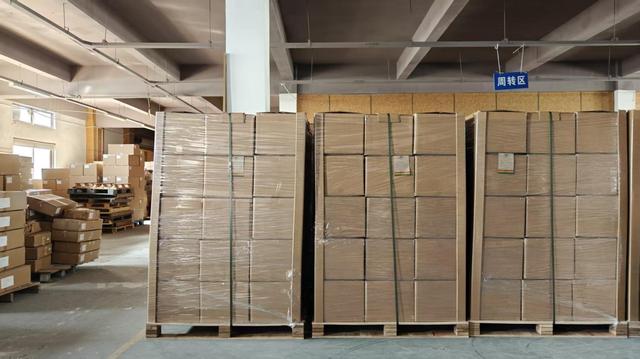
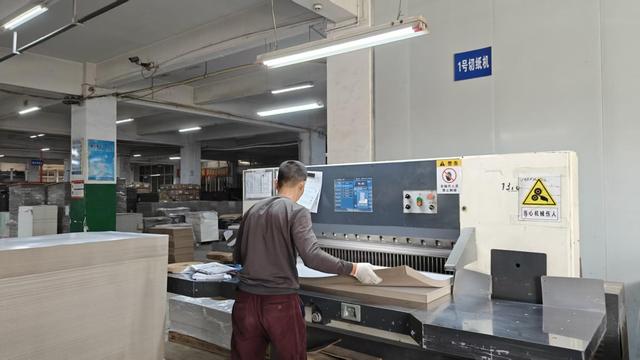
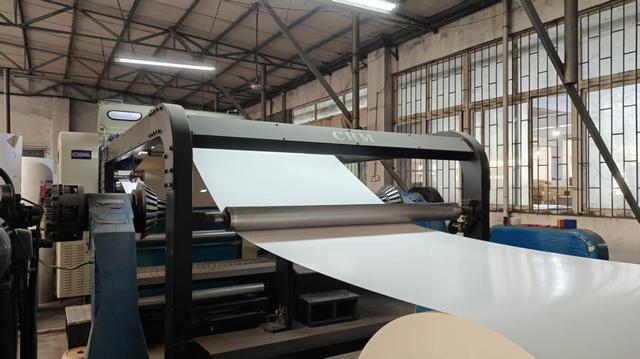
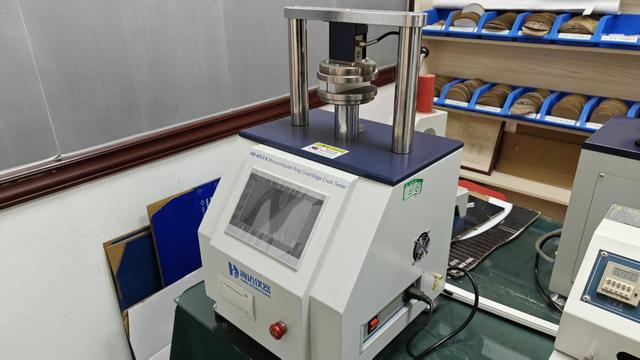
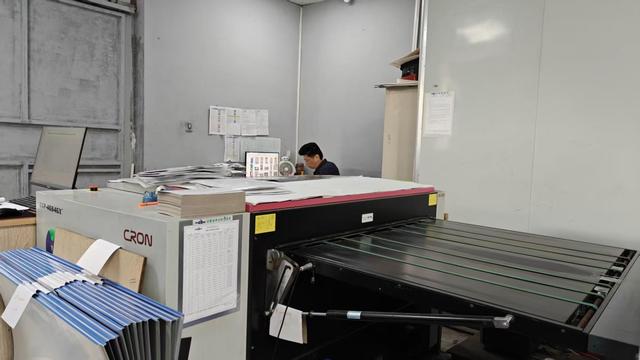
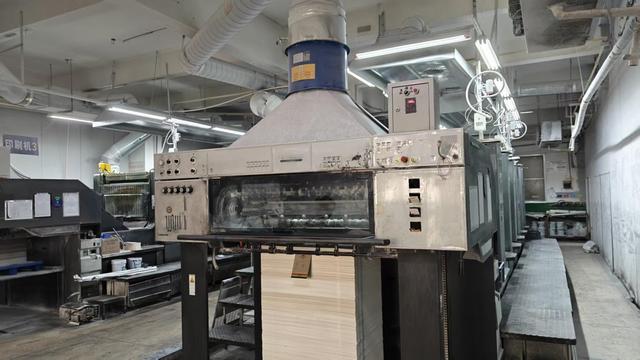
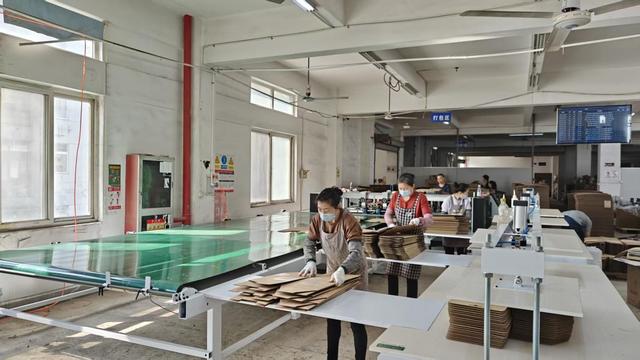
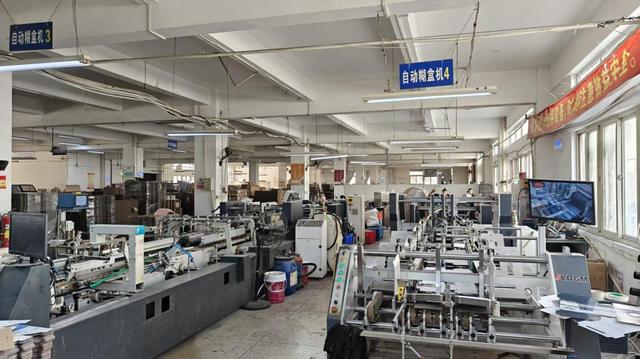
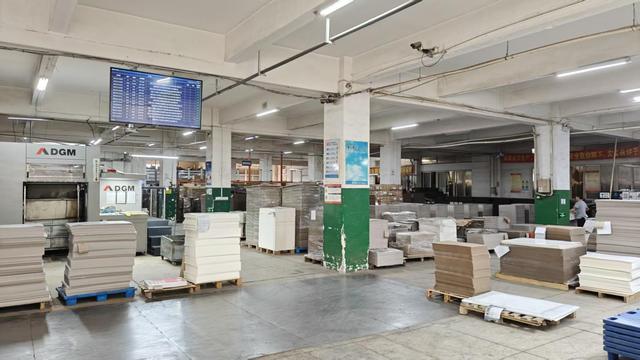
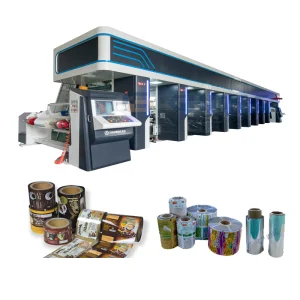
A visual look inside Wenzhou Amnet Packaging Co., Ltd. our machinery, quality control labs, assembly halls, and material inventory.

 Amnet Packaging