Discover our leading selection of custom engineered physical packaging structures and labeling solutions built for modern brands demanding impact, durability, and high compliance standards.

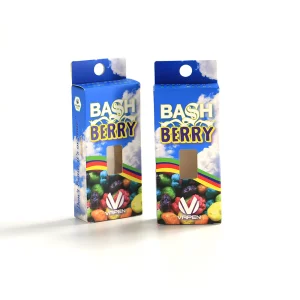
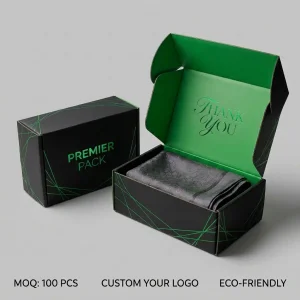

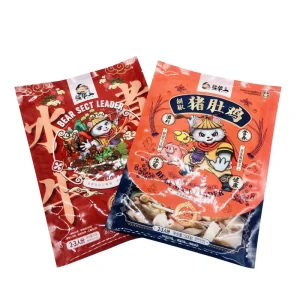
In the hyper-competitive landscape of global trade, modern industrial packaging and advanced labeling solutions are no longer mere visual skins for finished products. They form the core infrastructure of physical supply chains, branding touchpoints, and regulatory declarations. The convergence of high-speed digital printing, sustainable substrates, and security tracing systems has driven global enterprises to reevaluate how their goods are labeled and housed. As primary and secondary packaging structures evolve, manufacturers look toward integrations that ensure high structural barrier parameters alongside high-contrast, durable surface applications.
Currently, the global industrial sector demands labeling and custom packaging designs that serve multiple purposes simultaneously: protecting structural integrity under varying environmental stresses, guaranteeing compliance with cross-border transport directives, and delivering high visual impact at the point of sale. Leading exporters now rely on robust manufacturing footprints that combine offset, gravure, and digital printing technologies to achieve these goals with minimal economic waste.
Corporate Focus: Wenzhou Amnet Packaging Co., Ltd. is a premier China printed packaging manufacturer specializing in custom packaging, retail boxes, and comprehensive brand packaging solutions. By aligning structured industrial boxes with high-definition graphic print technologies, Amnet equips global enterprises with a complete supply system from substrate production to final custom finishes.
The requirements placed upon packaging and labeling vary dramatically depending on the regional regulatory climate, structural stress vectors, and localized user demographics. An optimal packaging asset must address these localized environments:
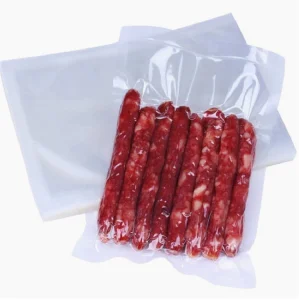
For supermarkets and retail markets across North America and Europe, FDA and EU food contact compliance are paramount. Recyclable PET vacuum bags with commercial gravure printing must withstand rapid chilling, sub-zero storage, and high moisture environments without color migration or material separation.
Luxury retail environments in East Asia and Europe require high tactile responses. Heavy-weight paperboard boxes, finished with spot UV, soft-touch matte lamination, and gold hot foil stamping, serve as direct tools for high-end consumer engagement and shelf-presence.
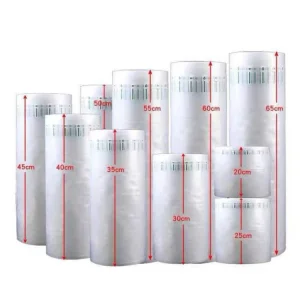
The direct-to-consumer (DTC) model demands high mechanical resilience. Double-wall corrugated mailers and protective air column wrap rolls prevent localized puncture and structural compression throughout global logistics networks like FedEx, DHL, and UPS.
China's continued position as a central hub for industrial packaging and labeling solutions is supported by integrated production ecosystems. Industrial clusters, such as those in Wenzhou, combine raw material sourcing, chemical engineering for specialized inks/adhesives, structural design offices, and deep-water ports into cohesive zones. This concentration limits external logistic delays, enabling high customization velocities and competitive pricing metrics.
Wenzhou Amnet Packaging Co., Ltd. exemplifies this structural advantage. Operating out of advanced facility centers in Zhejiang, the company utilizes automated production lines, multi-color high-speed printing presses, and custom post-printing finishing gear. This integrated setup keeps the design-to-shipment workflow entirely in-house.
By eliminating third-party component sourcing, quality variance risks are minimized, and delivery timelines are shortened. In times of global logistic uncertainty, these direct-from-factory integrations serve as a stabilizer for international brands that require predictable inventory replenishment cycles.
The commercial labeling and packaging space is undergoing transition across three key technological vectors:
Traditional flat visual labeling is transitioning toward data-dense, interactive media. By embedding ultra-thin RFID tags and NFC inlays between structural cardboard and surface paper liners, brands can track inventory in real-time, implement anti-counterfeiting measures, and offer interactive content directly to consumer smartphones.
Single-use plastics are systematically being replaced by recyclable and bio-based alternatives. Industrial developments focus on mono-polymer structures, such as recyclable PET and PP laminates, which can be processed in standard recycling systems without separation. In paper packaging, FSC-certified fibers and water-based barrier coatings are replacing internal plastic laminations, offering high grease and oil resistance while remaining compostable.
Market dynamics favor agile inventory models. Traditional gravure printing is optimal for massive runs, but high-performance digital presses are transforming shorter product tests and seasonal packaging. With software-controlled digital cutting and embellishment systems, manufacturers can produce low-MOQ premium boxes (e.g., rigid boxes, custom mailers) without the high start-up costs of traditional tooling plates.
Expanding into international territories requires strict alignment with localized safety and environmental regulations. Our engineering systems ensure compliance across these primary regulatory matrices:
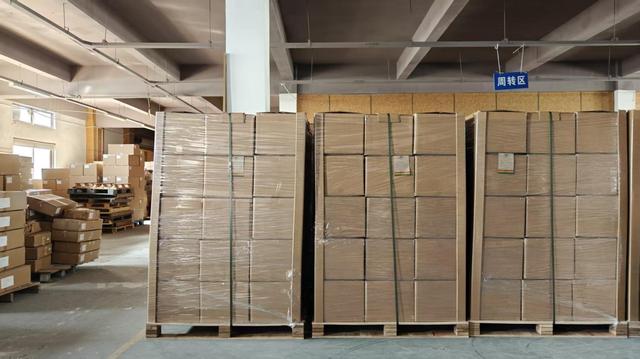
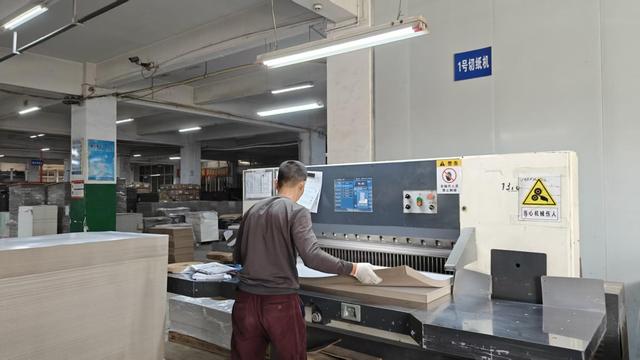
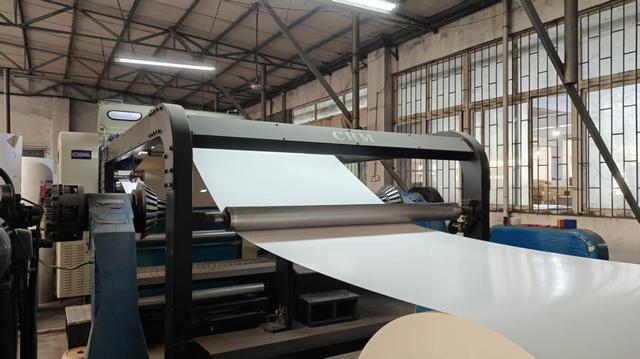
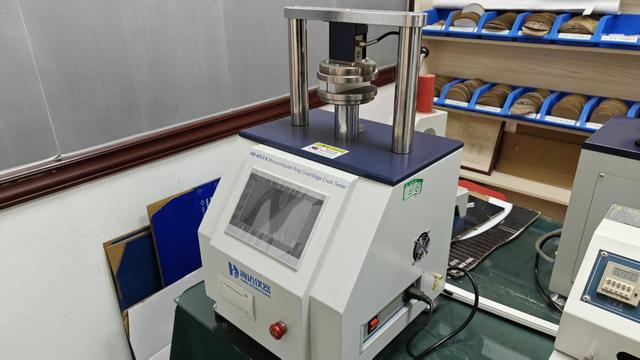
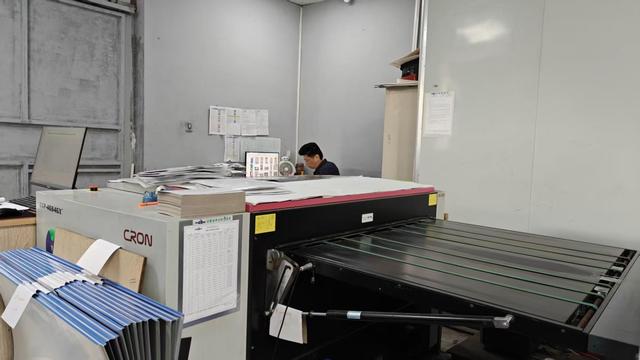
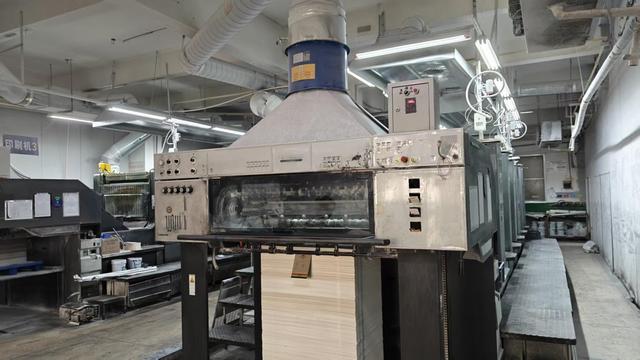
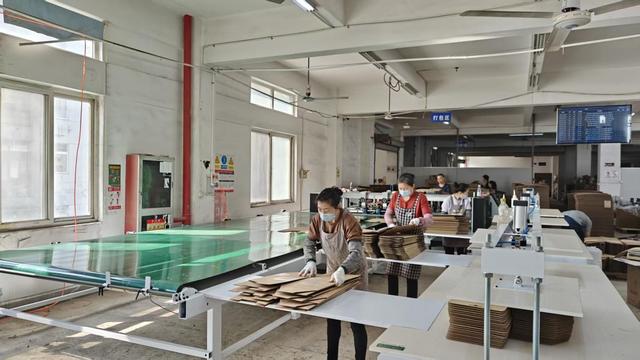
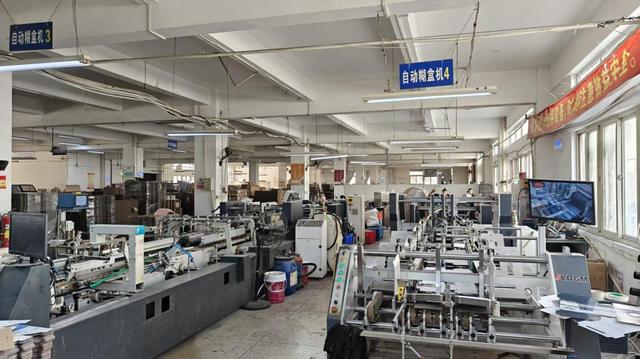
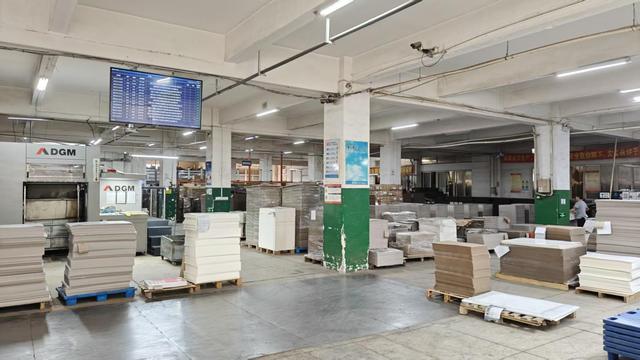
High-precision printing systems, structural paper conversion machinery, and strict quality control operations at the Wenzhou Amnet production facility.
Recyclable food-grade bags, like our PET vacuum bags, utilize mono-material film laminates that can be processed within domestic plastic recovery streams. Standard multi-layer bags mix incompatible plastics (like nylon and PE), making separation difficult and resulting in landfilled waste.
Digital printing does not require physical print cylinders or plates, making it suitable for low MOQ runs, prototypes, and varied designs with quick setups. Traditional offset and gravure printing require initial tooling setups but provide faster running speeds and lower per-unit costs for high-volume orders.
We use multi-layer corrugated paperboards (like 3-layer E-flute or B-flute structures) that balance light weight with high structural strength. This construction absorbs impact and resists compression under stacked weight in logistics warehouses.
Yes, we support sustainable forestry practices. Customers can choose FSC-certified paperboards and kraft papers for their retail packaging, folding cartons, and shipping boxes, along with eco-friendly soy-based inks.
Smart features are integrated by embedding RFID or NFC inlays between the outer face paper and the inner greyboard of rigid boxes. This protects the microchip from external moisture and physical impact while maintaining a smooth surface for printing.
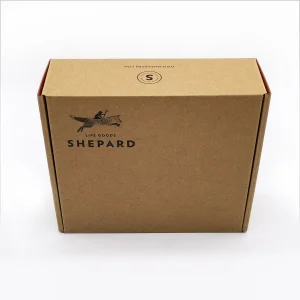
Explore our structural packaging configurations designed to safeguard, transport, and present diverse products across global commercial markets.


 Amnet Packaging