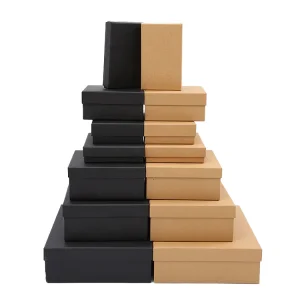
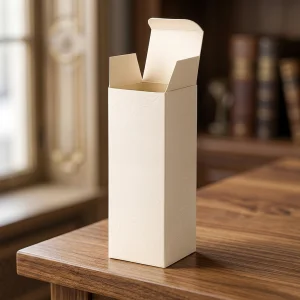
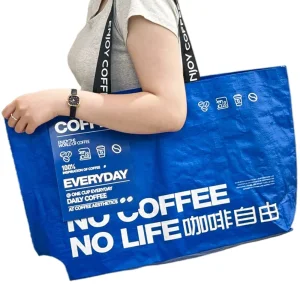
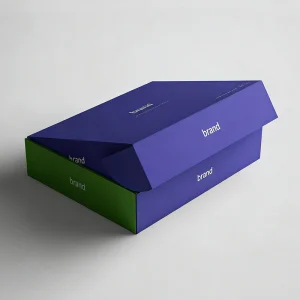
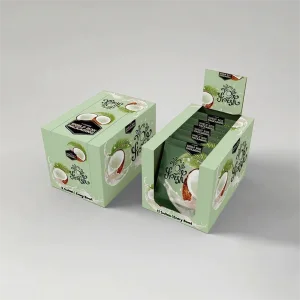
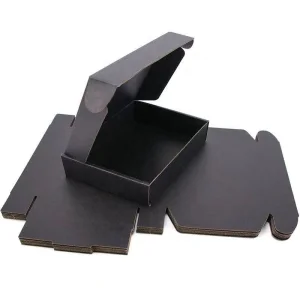
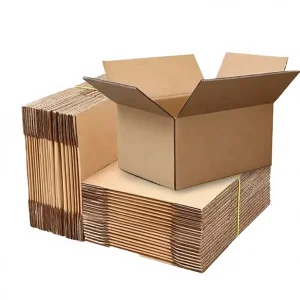
Discover our engineering-grade, customizable packaging units engineered for immediate deployment.
The global packaging market is undergoing a seismic regulatory and consumer-driven shift. Under pressure from legislative frameworks such as the European Union’s Packaging and Packaging Waste Regulation (PPWR), the United States' state-level Extended Producer Responsibility (EPR) laws, and strict restrictions on single-use plastics globally, enterprises can no longer treat sustainability as a mere marketing add-on. Modern supply chains require circular material inputs that decrease carbon intensity without sacrificing structural protection.
Global commercial shipping and e-commerce growth have catalyzed the demand for optimized weight-to-strength ratios. Using advanced Life Cycle Assessments (LCA), multinational corporations are prioritizing packaging suppliers that offer precise material traceability, reduced logistics weight (leading to fuel savings), and certified end-of-life options—whether industrial compostability or integration into existing domestic recycling loops. Wenzhou Amnet Packaging Co., Ltd. leads this transformation, delivering cutting-edge, customized engineering solutions to minimize the environmental footprint.
Designing solutions that strictly adhere to FDA, FSC, and EU PPWR specifications, neutralizing future regulatory import risks.
Deploying agricultural residues and high-percentage post-consumer waste (PCW) to offset Scope 3 greenhouse gas emissions.
Ensuring eco-friendly raw substrates achieve premium sensory feedback through advanced water-based and soy inks.
Choosing the right packaging requires balancing protective capability, material costs, and environmental values. Here is a technical breakdown of the top 10 materials reshaping global manufacturing.
Using high-density, multi-flute configurations (A, B, C, E, and F micro-flutes), corrugated kraft paper provides exceptional structural strength. It can achieve high Edge Crush Test (ECT) and Box Compression Test (BCT) ratings while remaining 100% recyclable. By utilizing starch-based adhesives, these shipping boxes offer a plastic-free alternative that can be easily repurposed by municipal pulping operations.
Forest Stewardship Council (FSC) certified SBS (Solid Bleached Sulfate) and CUK (Coated Unbleached Kraft) paperboards ensure all wood fibers originate from responsibly managed forests. They support clean creasing, sharp embossing, and high-resolution printing, making them perfect for premium consumer products.
Using PLA (polylactic acid) and PHA (polyhydroxyalkanoates) resins derived from fermented plant starches like corn or sugarcane, these flexible pouches and bags provide a clear path to zero-waste. They meet strict compostability standards (such as ASTM D6400 and EN 13432), degrading safely in industrial composting environments.
Incorporating PCR paperboard diverts waste from landfills and directly supports the circular economy. By combining consumer collection waste with precise processing, PCR substrates match virgin papers in performance while reducing energy and water footprints.
Constructed from recycled newspaper, cardboard, or natural wheat straw, molded pulp is shaped into custom protective inserts. This material effectively replaces expanded polystyrene (EPS) inserts, offering excellent shock absorption for cosmetics and consumer electronics.
By utilizing agricultural residues such as bagasse (sugarcane fiber) and wheat straw, manufacturers can produce high-quality papers without harvesting trees. This process transforms agricultural waste into a premium packaging option, minimizing carbon emissions.
Woven PP and laminated non-woven PET totes offer excellent durability for multiple use-cycles. These reusable options significantly reduce per-use carbon footprint, offering brands long-term visibility while replacing single-use checkout bags.
Historically, paper cups and food containers required a thin PE plastic lining for grease and water resistance. Modern aqueous-based barrier coatings eliminate the need for plastic films, allowing the packaging to be repulped alongside standard office waste.
Traditional petroleum-based inks release volatile organic compounds (VOCs) during printing. Soy and vegetable-based alternatives emit minimal VOCs, dry cleanly, and improve the de-inking process during recycling, which yields higher-quality recycled paper fibers.
Incorporating sun-dried grass fibers into pulping processes reduces industrial water and energy usage during raw material prep. Grass paper features a unique tactile, organic finish that visually communicates its eco-friendly origin to consumers.
Based in Wenzhou, Wenzhou Amnet Packaging Co., Ltd. serves as a key strategic partner for international brands looking to transition to sustainable packaging. We combine advanced structural design, high-speed automated manufacturing, and a highly responsive logistics network.
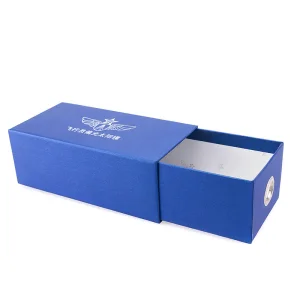
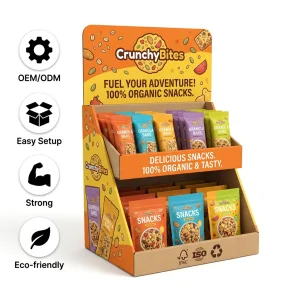
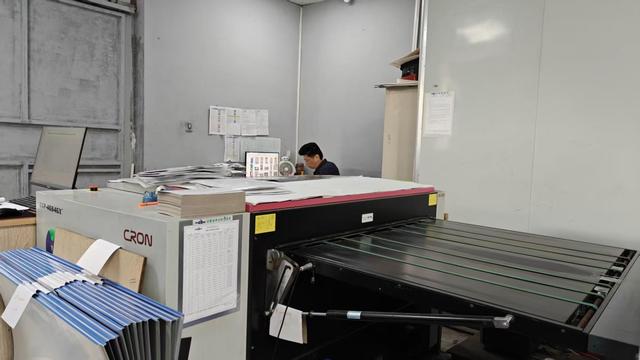
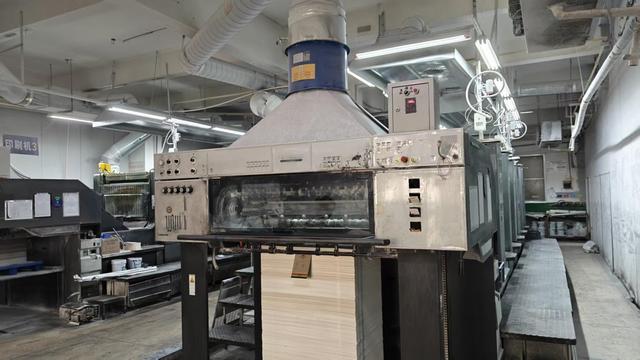
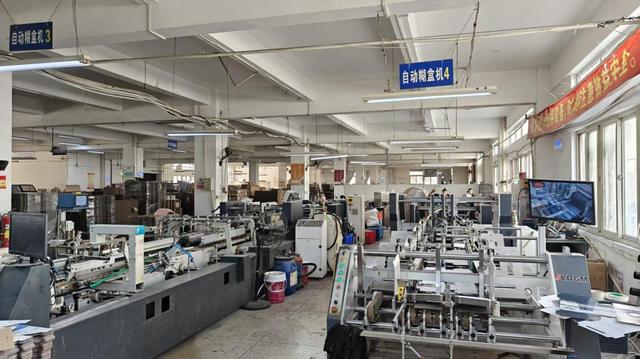
Our facilities utilize advanced printing and converting machinery, including Heidelberg Speedmaster XL multi-color presses, high-speed BOBST die-cutters, and automated folder-gluers. This automation ensures tight tolerances for complex designs, including magnetic closures, rigid gift boxes, and custom retail displays.
Operating within China’s premier packaging hub allows us to source raw materials, custom inserts, and specialty coatings with minimal lead times. This regional integration enables us to provide rapid prototyping, flexible order customization, and highly competitive pricing to global importers.
Our services cover every step of the development cycle: structural design, artwork optimization, surface finishing, rigorous quality assurance, and global logistics. Whether you require micro-flute mailers for e-commerce, high-end cosmetic boxes, or industrial packaging, Amnet Packaging ensures a smooth transition from concept to final product.
Eco-friendly packaging must perform well in real-world applications. Here is how we customize our products to meet the unique challenges of different industries:
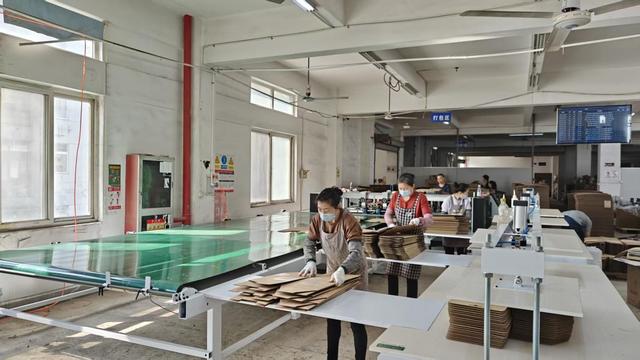
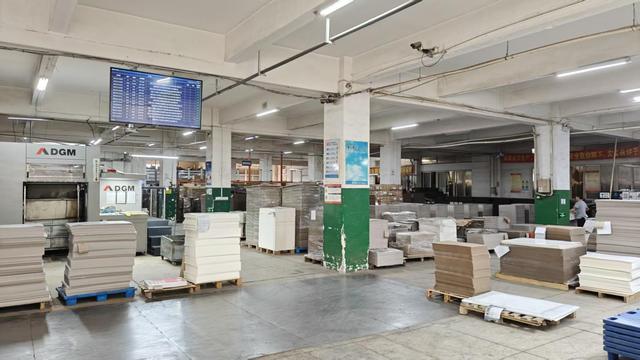
Direct view into Wenzhou Amnet Packaging Co., Ltd.’s printing, folding, and sorting floor.
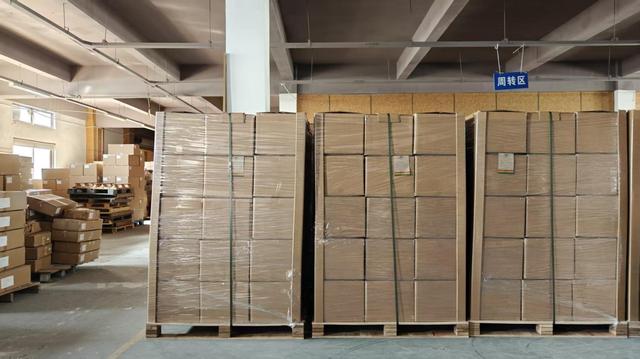
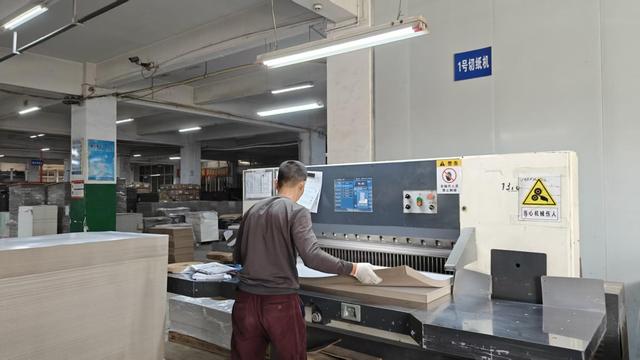
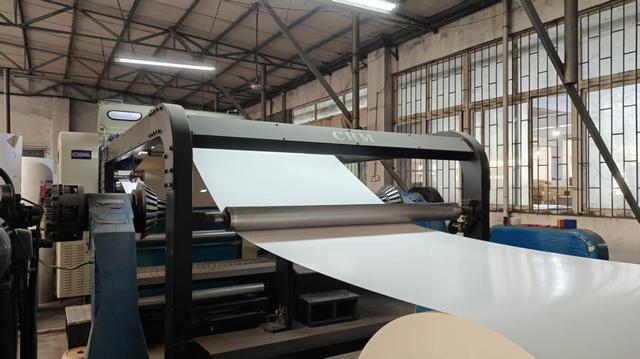
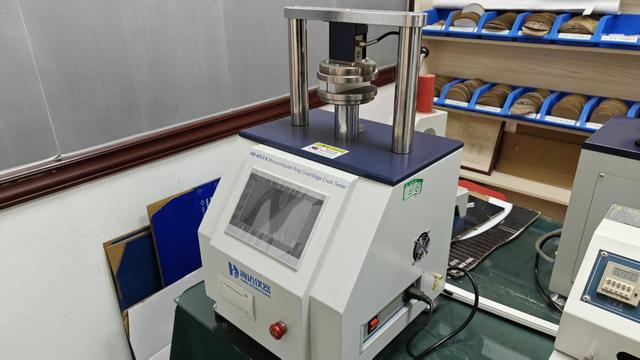
Importing packaging involves balancing logistics costs, MOQ limits, and lead times. For sourcing managers, this means auditing supplier certifications and selecting substrates that perform well in different climates. High-humidity storage can compromise low-quality paper boxes, making high-quality corrugated boards essential.
Wenzhou Amnet Packaging mitigates these risks through comprehensive testing. We verify physical structural strength using drop testing, burst testing, and edge-compression testing. Our manufacturing team works closely with global procurement departments to manage freight costs by shipping flat-packed items, which optimizes ocean container space.
Explore additional customized packaging solutions, commercial printers, and display stands.
 Amnet Packaging