Why is custom printed packaging important for brands? It gives a product a visible identity before a customer opens it. A printed box can carry a logo, colors, product details, and a tone of voice. On a crowded shelf, those cues help shoppers recognize one brand among many. Online, they shape the first impression when a parcel arrives at the door. A clean label, sturdy carton, and carefully chosen colors can make an ordinary delivery feel considered. Small details matter.
Brand designer Walter Landor is often credited with saying, “Products are made in the factory, but brands are created in the mind.” Custom packaging supports that idea by turning brand choices into a physical experience. The finish, texture, and placement of a mark can all influence how a product is perceived. For a small business, even a simple printed sleeve may create a more consistent look across orders. For an established brand, packaging can help maintain recognition across product lines. Still, print is not magic. Poor legibility, excess decoration, or packaging that does not fit the product can weaken trust. That part is easy to overlook. The useful question is not whether every surface should carry a message, but which details genuinely help customers identify, understand, and remember the brand.
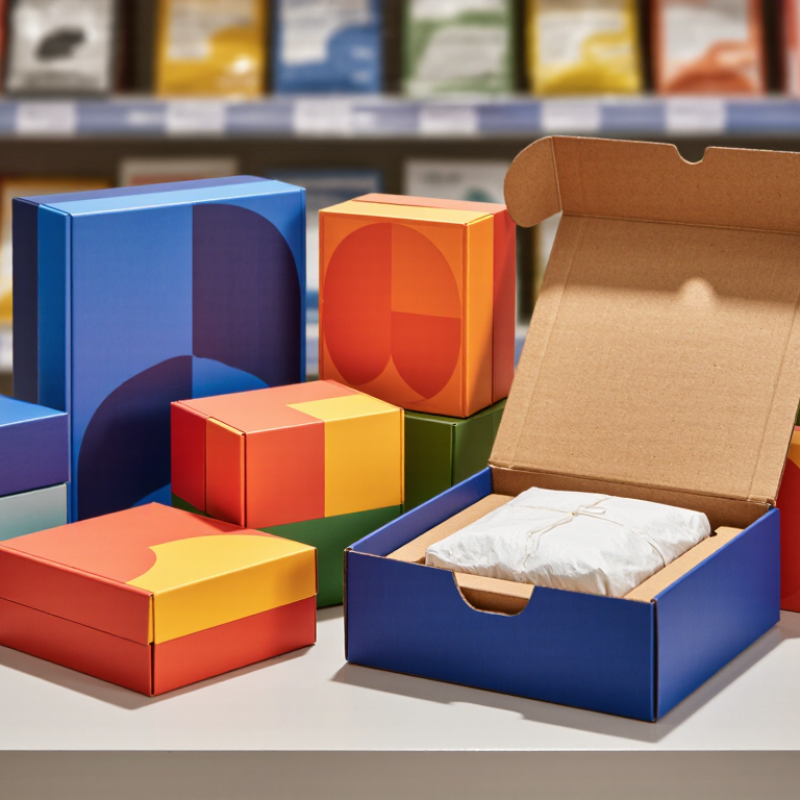
Custom printed packaging is packaging designed with a specific product, visual identity, and practical use in mind. It may include a printed carton, mailer, sleeve, or label. The artwork can show a logo, product details, instructions, or a simple pattern. But printing is only one part of the process. The package must also fit the item, protect it during handling, and open without a struggle.
Work usually begins with measurements and a structural design, often called a dieline. A designer places the artwork within that template, allowing space for folds, glue tabs, and safety margins. A printer then checks the file and may produce a physical proof. This step matters. Colors on a screen can look different on paper, and tiny text may become hard to read. Once approved, the chosen material is printed, cut, folded, and finished. Coatings or foil details can change the feel, but they may add cost or complicate recycling. Keep the purpose clear.
A sample should be tested with the actual product inside. Check whether corners crush, the lid stays shut, and labels remain legible under ordinary light. Small flaws happen. A slightly oversized box, for example, can waste material and let products shift in transit. Feedback from packing staff can reveal problems that a polished mock-up misses. Custom packaging works best when appearance and everyday performance are reviewed together.
Custom printed packaging gives a product a visible voice before anyone opens it. A muted green, a precise typeface, and a small line drawing can suggest calm, care, or craft. These choices work best when they match the product and the way a business speaks elsewhere. A premium-looking box cannot, by itself, make a weak product trustworthy. That matters.
Packaging also communicates through touch and structure. A sturdy mailer, readable instructions, and ink that stays clear near a fold show practical care. For a small candle, a warm paper label and simple safety directions may feel more fitting than glossy graphics. Customers notice these details while carrying, opening, or storing an item. The experience is physical.
Consistency helps people recognize a business across shelves, delivery boxes, and social photographs. Keep a few visual cues steady, such as color, logo placement, or tone of voice, while adapting sizes across products. Still, identity is not fixed forever. A design can miss the mark; crowded text or an unexpected color may confuse people. Ask customers what they understood, then adjust. Not every response needs a redesign, but it should be considered.
Custom printed packaging shapes the customer experience before a product is used. A neat mailer, readable instructions, and a simple opening tab can make delivery feel considered. A crowded design can do the opposite. Small details matter.
The 2023 Global Buying Green Report found that 82% of surveyed consumers were willing to pay more for sustainable packaging.
PwC’s 2024 Voice of the Consumer Survey reported that consumers would pay an average 9.7% more for sustainably produced or sourced goods.
These figures are not guarantees of purchase, but they show why material choices and clear messaging can influence expectations. Printed recycling guidance, for example, should match the actual materials in the package. Otherwise, the message may undermine trust.
Personalization can also make an unboxing feel more relevant: a short welcome message or product-care note may be more useful than extra decorative layers. Less can feel better. Custom print is not automatically an improvement; too much ink, confusing copy, or difficult-to-open packaging can frustrate customers. A practical test is to pack and open a sample as a customer would, checking whether key details are easy to find and the product arrives protected.
Printed packaging turns an ordinary delivery into a repeated brand impression. A customer may notice a logo, color, or short message before opening the box. That visual consistency helps people recognize a product on a crowded shelf or in a shared office. Small details matter: clear lettering, balanced colors, and a design that remains readable under warm store lighting.
Packaging can also support marketing without adding another advertising channel. A useful instruction inside the lid, a product story, or a QR code can guide the next interaction. Keep the message relevant. Too much copy can make a package feel noisy, and a QR code is only helpful when its destination offers something worthwhile. Test designs on actual boxes, not just screens. Ink can look different on textured paper.
Recognition takes repetition. Using the same visual cues across shipping boxes, labels, and retail packaging can make a brand easier to remember. Yet consistency should not mean refusing to improve. A design that once felt distinctive may become difficult to read as product lines grow. Ask customers what they notice, and check whether the packaging communicates clearly at a glance. Not every print choice will work. That is useful feedback.
How printed packaging supports marketing and brand recognition
Packaging is more than protection: its visual design can influence purchase decisions, while the choice of material can also matter to consumers. Consistent custom printing gives brands a way to make packaging more recognizable at the point of sale.
Source: 2018 U.S. consumer survey reported by Ipsos. Figures represent respondents who said each factor influences their purchase decisions.
Custom packaging should begin with the product’s real journey: a bottle may face moisture, while a flat carton can arrive with crushed corners. Choose a structure that protects the item without adding unnecessary layers. In its 2023 global packaging survey, McKinsey reported that consumers consistently ranked recyclability among the most important sustainability attributes. That makes material choice and clear disposal instructions practical design decisions, not decorative extras. Still, recyclability depends on local collection systems. A package that looks recyclable may not be accepted nearby. Details matter.
Artwork should remain legible at actual size. Test small text, color contrast, and how a design looks under warehouse lighting, not only on a bright screen. PwC’s 2024 Voice of the Consumer Survey found that 80% of respondents were willing to pay more for sustainably produced or sourced goods. This is a broad consumer finding, not proof that packaging alone drives purchases. Use it as context, then test designs with your own customers. A small print run can reveal whether opening feels easy and whether the message is understood. Less can work. I would also question any costly finish that adds little protection or clarity; attractive packaging can still be excessive.
| Design Dimension | Why It Matters | What to Consider | Practical Design Check |
|---|---|---|---|
| Brand identity and recognition | Packaging can help customers identify a product and distinguish it from alternatives at a glance. | Use a consistent visual hierarchy for the name, product type, key benefits, colors, and graphic elements. | Check that the most important information is easy to find when the package is viewed from the front and at a distance. |
| Target audience and use | Packaging needs to suit the people who handle, buy, store, and use the product. | Consider how customers open, carry, store, and dispose of the package, as well as any accessibility needs. | Test opening and handling with people who reflect the intended users; check that instructions are legible. |
| Product protection | The package should help protect the product from foreseeable impact, pressure, moisture, light, or contamination during handling and transport. | Choose a structure and material suited to the product’s weight, fragility, storage conditions, and distribution route. | Evaluate a physical sample through appropriate handling, transit, and storage tests before production. |
| Size and fit | Correct sizing can reduce unnecessary material and help limit product movement inside the package. | Account for product dimensions, protective inserts, closures, tolerances, and shipping requirements. | Measure the packed product, not just the product itself, and confirm that it fits without excessive empty space. |
| Material selection | Material affects protection, appearance, printing options, handling, and end-of-life disposal. | Compare material strength, weight, surface finish, availability, and compatibility with local recycling or collection systems. | Confirm material specifications with the supplier and avoid environmental claims that cannot be substantiated. |
| Printed content and legibility | Customers need to read product information, instructions, warnings, and other required details. | Prioritize contrast, type size, spacing, placement, and clear wording; keep required information visible. | Review a printed proof at actual size and check it under typical lighting conditions. |
| Regulatory and safety information | Packaging may need to meet rules that depend on the product, market, and material. | Check applicable requirements for labeling, warnings, recycling marks, and food-contact or other regulated uses. | Have the final copy and material specifications reviewed for each market before printing. |
| Printing method and finish | Print processes and finishes affect appearance, durability, production constraints, and cost. | Consider color consistency, substrate, coating, ink compatibility, quantity, and the intended visual effect. | Request a production-representative proof and confirm colors, finishing details, and artwork setup with the printer. |
| Shipping and storage | Packaging must work within the space, weight, and handling limits of storage and distribution. | Consider stacking, palletization, outer cartons, dimensional weight, and temperature or humidity exposure where relevant. | Check packed dimensions and weight against the requirements of the intended storage and shipping method. |
| Production quantity and cost | Design choices can affect setup requirements, minimum order quantities, lead times, and unit cost. | Balance print complexity, material choices, expected demand, storage capacity, and the cost of unused inventory. | Obtain a quotation for the intended specification and confirm minimum quantities and production lead time before approval. |
| Sustainability and disposal | Material choices and package construction influence how packaging can be reused, recycled, or disposed of. | Consider material separability, local collection infrastructure, recycled content, and the amount of material used. | Verify disposal instructions for the target market and ensure any environmental claims have supporting evidence. |
| Prototype and quality control | A physical sample can reveal fit, usability, print, and production issues that are difficult to spot on screen. | Review structure, artwork, color, assembly, closures, and consistency against the approved specification. | Approve a production-representative sample and document the final artwork and specifications before the full run. |
Color, typeface, and illustrations set expectations before the box opens. A muted green label may suggest calm. The design should still fit the product.
Clear instructions, a sturdy mailer, and an easy opening tab help. A care note can be more useful than extra decoration. Small details matter.
Not by itself. A premium-looking box cannot replace a reliable product. Packaging should support the experience, not promise more than the product delivers.
Keep a few visual cues consistent, such as color, logo placement, or writing style. Adjust the package size as needed. Identity can change, too.
Pack and open a sample as a customer would. Check whether text is readable, the product stays protected, and key details are easy to find. Screens can be misleading.
Match disposal guidance to the package’s actual materials and local collection options. A recyclable-looking package may not be accepted nearby. That detail is easy to miss.
Use only the layers and finishes that add protection or clarity. A short welcome message may be enough. I might still overdecorate a sample, so customer feedback helps.
Custom printed packaging turns a basic container into a clear expression of a brand’s identity. Through choices such as color, typography, graphics, materials, and messaging, packaging can communicate what a business values and help customers recognize its products. It also shapes the experience of receiving and opening an order, making practical details like protection, readability, and ease of use just as important as visual appeal. This is why is custom printed packaging important for brands: it can make every customer interaction feel more considered and consistent.
Packaging can also support marketing by keeping a brand’s visual identity visible wherever a product is handled, displayed, or shared. To design it effectively, businesses should consider their audience, product needs, budget, print quality, and environmental impact. The strongest design balances attractive presentation with useful information and reliable function. When these elements work together, custom printed packaging can strengthen recognition, create a memorable experience, and help a product stand out without relying on excessive decoration.

Amnet Packaging