Packaging plays a crucial role in product success. A recent study by Smithers Pira indicates that the global packaging market is set to reach $1 trillion by 2024. This highlights the importance of effective packaging strategies. Companies must know how to balance packaging quality and budget wisely. Many brands face challenges in maintaining high standards without overspending.
The key lies in understanding consumer expectations. A survey by Packaging Digest revealed that 72% of consumers consider packaging quality when making a purchase. Poor packaging can lead to brand damage and customer dissatisfaction. Yet, opting for cheaper materials can compromise quality. Striking a balance requires keen insight and strategic decisions.
It's essential to analyze costs versus benefits. Investing in quality packaging can enhance brand image and drive sales. However, not all options offer the same return on investment. Brands need to reflect on their priorities and areas for improvement. With the right approach, businesses can achieve effective packaging solutions that align with their budgetary constraints.
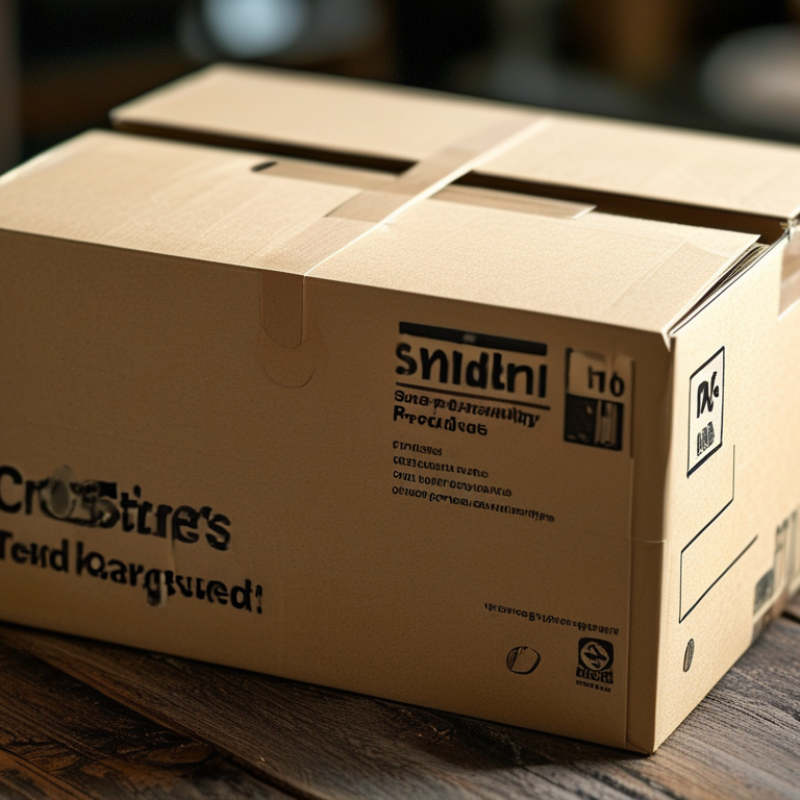
Packaging quality is crucial for business success. Strong packaging protects products during shipping and enhances shelf appeal. According to a recent report by Smithers Pira, 70% of consumers say packaging influences their purchase decisions. High-quality packaging can elevate a brand’s image and build customer trust.
However, finding the right balance between quality and cost can be challenging. Many businesses compromise on materials to save money, but this can backfire. A study by the Packaging Innovation Group found that 57% of consumers believe flimsy packaging signals inferior quality. This perception may lead to lost sales and damage brand reputation.
Investing in quality packaging does not always mean excessive spending. Exploring sustainable materials can offer a cost-effective solution. For example, biodegradable options are growing in popularity and can engage eco-conscious customers. Failing to consider packaging quality could harm long-term customer relationships. Reflecting on your packaging choices is essential for business growth.
Packaging materials play a crucial role in product presentation and protection. However, understanding budget constraints is essential. Assessing these limitations helps identify the right packaging choice. Knowing how much you can spend is fundamental. It sets a clear guideline for material selection.
Evaluate the total cost of packaging, not just the purchase price. Consider shipping, storage, and environmental impact. Sometimes cheaper options lead to higher costs in the long run. For instance, if a package fails during transit, it can harm your reputation and profits. Aim for materials that strike a balance. Sometimes a slight increase in cost results in significant benefits.
Review your supplier options for better deals. Negotiating bulk discounts might ease budget constraints. Additionally, reconsider designs that could reduce material waste. It's vital to be adaptable and willing to rethink your strategy. Achieving a balance is not always straightforward, and constant reflection is necessary. Without it, you may end up spending more than initially planned.
When managing packaging, finding cost-effective options is critical. Start by evaluating your current suppliers. Research local options that can provide similar quality at a lower price. Building a rapport with suppliers can lead to better terms. Seek suppliers who prioritize sustainability; they might offer long-term savings.
Exploring alternative materials is essential. Consider flexible packaging instead of rigid boxes; it can save on both materials and shipping costs. Bulk purchasing can also reduce expenses. Analyze your packaging needs carefully. Sometimes, less is more; explore minimalistic designs that still preserve quality.
Keep an eye on emerging trends in packaging. New technologies can provide innovative solutions without extra costs. Collaborate with designers to be creative. Packaging doesn't have to be flashy to be effective. More than just aesthetics, functionality should drive your choices. Experiment with different ideas and learn from what works best. Balancing quality and budget requires ongoing reflection and adjustment.
When assessing the long-term value of packaging investments, companies must consider several factors. According to a report by Smithers Pira, the global packaging market is projected to reach $2 trillion by 2026. This growth highlights the importance of smart packaging decisions that balance quality and cost. Quality packaging can enhance brand perception and reduce waste, leading to higher customer retention rates.
One tip for effective budgeting is to analyze your packaging lifecycle. Understanding how packaging impacts product integrity over time is essential. For instance, a study by the Packaging Association found that quality packaging reduces product damage by 30%. Investing in stronger materials might seem costly upfront, but it often results in lower long-term costs due to reduced returns and replacements.
Another tip is to explore sustainable options. Research indicates that 66% of consumers are willing to pay more for sustainable packaging. Adopting eco-friendly materials can not only attract environmentally conscious customers but also potentially save costs through waste reduction initiatives. Companies should seek solutions that align with their values while also considering the real costs associated with poor-quality packaging, such as lost sales and customer trust.
This chart illustrates the estimated impact of different packaging quality levels on budget allocation over a five-year period. The values represent average costs associated with each quality level.
In packaging, sustainability often raises concerns about quality and cost. Many companies hesitate to adopt eco-friendly materials. However, it's possible to integrate sustainable practices without sacrificing product integrity. By exploring biodegradable or recyclable materials, businesses can create effective packaging. These alternatives can meet regulatory standards and consumer expectations while being budget-conscious.
A thoughtful approach is required to ensure that quality isn't compromised. Testing new materials for durability and shelf life is essential. Companies might need to adjust their production processes to accommodate these changes. It's not always a smooth transition. Challenges can arise, like supply chain issues or higher initial costs.
The journey to sustainability can be complex. It demands careful planning and ongoing evaluation. However, the long-term benefits often outweigh these challenges. Finding the right balance between quality and budget is crucial. Embracing innovation can lead to better solutions. It may not be perfect, but striving for improvement is key in today’s market.
| Tip | Description | Expected Outcome |
|---|---|---|
| Select Materials Wisely | Choose eco-friendly materials that provide sufficient protection without excessive costs. | Reduced costs and environmental impact. |
| Optimize Design | Implement a minimalist design that requires less material. | Decreased production costs and material usage. |
| Use Technology for Prototyping | Employ 3D printing and other technologies to create prototypes. | Faster iteration and refined designs before production. |
| Bulk Purchasing | Purchase materials in bulk to decrease costs per unit. | Lower material costs, improving overall budget efficiency. |
| Supplier Collaboration | Work closely with suppliers to find budget-friendly options. | Access to better pricing and alternative materials. |
| Evaluate Life Cycle Costs | Consider the total lifecycle costs of packaging beyond just production. | Better budgeting and resource allocation. |
| Incorporate Feedback | Gather consumer and team feedback on packaging effectiveness. | Improvements in design quality and consumer satisfaction. |
| Test Performance | Conduct performance tests on materials before deciding. | Ensured quality with optimal cost. |
| Promote Reusability | Design packaging for reuse to extend its lifecycle. | Lower costs over time and increased sustainability. |
: Cost-effective packaging helps save money and improves budgeting for businesses. It impacts overall profitability.
Research local suppliers that offer competitive prices. Build relationships for improved terms and discounts.
Explore flexible packaging options. They often reduce material and shipping costs effectively.
Buying in bulk usually results in lower unit prices. It helps reduce overall packaging expenses significantly.
Minimalistic designs can save costs while maintaining quality. Sometimes, less packaging can be more effective.
New technologies offer innovative solutions. They can enhance functionality without raising costs significantly.
A comprehensive analysis helps assess product integrity and reduces damage over time, saving future replacement costs.
Yes, many consumers prefer eco-friendly packaging. It can attract more customers and lead to long-term savings.
Balance quality with cost. Consider how packaging choices affect customer trust and brand perception over time.
Absolutely. It can lead to product damage, lower sales, and loss of customer trust. Be cautious in decisions.
In today's competitive market, understanding how to balance packaging quality and budget is crucial for businesses. High-quality packaging not only protects products but also enhances brand image and customer satisfaction. However, it’s essential to assess budget constraints to avoid overspending. Companies can identify cost-effective packaging options and reliable suppliers, ensuring they meet both quality and financial requirements.
Moreover, evaluating the long-term value of packaging investments helps businesses make informed decisions that contribute to their overall profitability. Implementing sustainable practices can further optimize costs without sacrificing quality, allowing companies to appeal to environmentally conscious consumers while maintaining efficiency. By strategically addressing these aspects, businesses can achieve an effective balance between packaging quality and budget.

Amnet Packaging