How to Select the Right Packaging Materials for Your Products?

Time:2026-07-21 Author:Ethan
0%

Selecting the right packaging materials for your products is crucial for success. Industry expert Sarah Thompson, a packaging engineer, emphasizes, “The right material can enhance both protection and branding.” This highlights the importance of informed decisions in packaging.

When considering how to select packaging materials for products, factors such as durability, cost, and environmental impact come into play. Packaging must not only protect the product but also convey its brand identity. For instance, eco-friendly options resonate well with consumers today. However, some businesses struggle with the balance between cost and quality.

Reflection is vital in this process. Many firms overlook the importance of testing various materials. It's essential to understand how each material meets specific product requirements. Is the packaging truly sustainable? Will it withstand shipping conditions? These questions are often left unanswered, leading to poor choices.
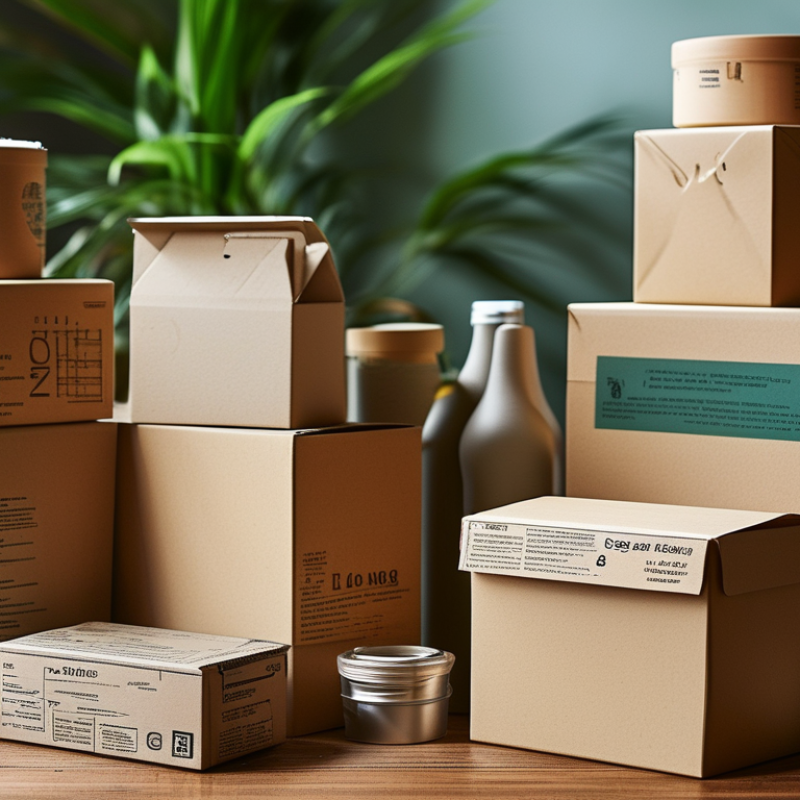
How to Select the Right Packaging Materials for Your Products?

Understanding the Importance of Packaging Materials in Product Safety

When considering product safety, packaging materials play a crucial role. The right materials protect items from damage during shipping and storage. For instance, delicate items require cushioning to prevent breakage. Using materials that resist moisture can shield products from mold and deterioration. Such considerations are vital for maintaining product integrity.

Moreover, the sourcing of packaging materials can impact safety. Recyclable options may be eco-friendly but not always the best choice for certain products. Some biodegradable materials might not offer the necessary barrier against contaminants. Reflecting on these aspects is essential for making informed selections. Ensuring that packaging aligns with product requirements is a challenge that demands careful thought.

Many companies overlook the potential hazards of inadequate packaging. The consequences can be significant, including product recalls or customer complaints. Testing different materials in real-world scenarios can help identify the best options. Balancing sustainability with protection is no easy feat, but it's necessary for both safety and consumer trust. Taking time to evaluate these factors ensures that the selected packaging not only looks appealing but also provides essential safety.

Packaging Materials Impact on Product Safety

Evaluating the Environmental Impact of Different Packaging Options

When choosing packaging materials, it's crucial to consider their environmental impact. Many options are available, each with different consequences for our planet. Biodegradable materials, for example, can break down naturally, reducing landfill waste. However, not all biodegradable options perform equally. Some require specific conditions to decompose effectively.

Recyclable packaging is another option that helps minimize waste. While recycling rates vary across regions, encouraging consumers to recycle is vital. It can lower the demand for raw materials and reduce energy consumption in production. Yet, we must acknowledge the limitations. Not all recyclable materials are accepted universally.

Some environmentally friendly packages can be expensive. This price factor may deter businesses from making eco-conscious choices. However, investing in sustainable packaging can enhance a brand’s reputation. It demonstrates a commitment to corporate responsibility. Ultimately, the decision should balance practicality and environmental considerations. Companies need to reflect on their choices and the impact on our planet.

Identifying the Physical Requirements of Your Products for Packaging

When selecting packaging materials, understanding the physical requirements of your products is crucial. Consider factors like weight, size, and fragility. Heavy items need sturdy packaging to prevent damage during transport. Lightweight products may require less robust materials, but they still need protection from environmental factors.

Temperature sensitivity can affect your choice as well. Perishable goods may necessitate materials that provide insulation. For example, using thermal liners can help maintain temperature during shipping. If your products are prone to moisture damage, choose waterproof materials.

Visual appeal should also enter your thought process. Look for materials that enhance your product’s perceived value. Aesthetic packaging can attract consumers, but don’t overlook durability. Striking a balance between looks and function is often challenging. Reflect on past packaging choices. Did they succeed in protecting your products? Analyze what didn’t work. This examination offers valuable insights for future selections.

Comparing Cost-Effectiveness of Various Packaging Materials

Choosing the right packaging materials can significantly impact your budget. Cost-effectiveness plays a crucial role in final decisions. A cheaper option may seem appealing but can lead to higher costs down the line. For instance, low-quality materials may increase damage during transit. This not only affects product integrity but can lead to customer dissatisfaction.

Recycled materials can be a cost-effective choice. They often reduce production costs and attract eco-conscious consumers. However, their availability may fluctuate, affecting consistency. Consider the shipping requirements too. Lightweight packaging can lower shipping fees. Yet, it’s essential to ensure that it still offers adequate protection. Balancing cost, durability, and sustainability is not always straightforward.

Conducting a thorough analysis of costs associated with different materials is vital. Break down the expenses beyond just purchase price. Include shipping, storage, and potential returns. Keep in mind that sometimes investing in quality can save money in the long term. Unsuitable materials could result in significant losses. Reflecting on these factors will lead to better decisions in the long run.

How to Select the Right Packaging Materials for Your Products? - Comparing Cost-Effectiveness of Various Packaging Materials

Packaging Material Cost per Unit (USD) Durability (1-5) Recyclability (%) Usage Suitability
Cardboard Box 0.50 4 90 E-commerce, Shipping
Plastic Wrapping 0.20 3 20 Food, Retail
Glass Container 1.50 5 80 Beverages, Cosmetics
Metal Can 0.75 4 95 Food, Beverages
Biodegradable Plastic 0.80 3 60 Food, Personal Care

Exploring Innovative Packaging Solutions for Modern Products

In today's competitive market, selecting innovative packaging solutions is vital for product success. Packaging not only protects but also attracts customers. The right materials enhance your product's appeal and sustainability. Eco-friendly options like biodegradable plastics and recycled materials are becoming more prevalent. These choices reflect a commitment to environmental responsibility and can boost brand loyalty.

Tips for choosing packaging materials:
1. Consider the product's fragility. Delicate items need cushioning. Foam inserts or bubble wrap can provide necessary protection.
2. Think about the user experience. Easy-to-open designs enhance customer satisfaction. Complex packaging can frustrate potential buyers.
3. Assess your target market. Tech-savvy consumers may prefer minimalistic designs, while others might appreciate vibrant, informative packaging.

Innovation in packaging doesn't mean perfection. Test various designs and materials. Gather feedback from consumers to understand their preferences. Every packaging decision should be a balance between creativity and functionality. Strive for improvements over time, and stay updated with emerging trends. Implementing a proactive approach can lead to more effective packaging solutions.

FAQS

: What factors should I consider when choosing packaging materials?

: Consider weight, size, and fragility of your products. Heavy items need sturdy packaging to avoid damage.

How does temperature sensitivity affect packaging choices?

Perishable goods require insulating materials. Thermal liners help maintain temperature during shipping.

Why is visual appeal important in packaging?

Aesthetic packaging attracts consumers and enhances perceived value. Durability should not be overlooked.

What is cost-effectiveness in packaging?

It relates to balancing quality and budget. Cheaper options may lead to higher long-term costs.

How can recycled materials impact packaging decisions?

Recycled materials may lower production costs. However, their availability can be inconsistent.

How can packaging design affect customer satisfaction?

Easy-to-open designs improve user experience. Complex packaging often frustrates customers.

Why should I gather consumer feedback on packaging?

Feedback helps understand preferences. It leads to improvement and better packaging decisions.

Is it essential to keep up with packaging trends?

Yes, staying updated helps create innovative solutions. An ongoing reflection can drive positive changes.

How can I assess the effectiveness of my current packaging?

Reflect on past choices. Analyze what worked and what didn't during transport and customer feedback.

What should I include when analyzing packaging costs?

Consider purchase price, shipping, storage, and returns. Quality investments can save money long-term.

Conclusion

Selecting the right packaging materials for your products is crucial for ensuring product safety and sustainability. To effectively select packaging materials, it's important to understand the significance of packaging in protecting products from damage during transport and storage. Assessing the environmental impact of different packaging options is also vital, as consumers increasingly prefer eco-friendly solutions.

Additionally, one must identify the physical requirements of the products to ensure an optimal fit while considering the cost-effectiveness of various materials. Exploring innovative packaging solutions can further enhance product appeal and align with modern consumer preferences. By following these guidelines on how to select packaging materials for products, businesses can make informed decisions that benefit both their products and the environment.

Ethan

Ethan

Ethan is a seasoned marketing professional with a deep expertise in our company's innovative product line. With a passion for sharing knowledge and insights, he takes the lead in regularly updating our corporate blog, where he explores industry trends, product features, and effective marketing......