In a competitive market, packaging plays a crucial role in positioning products. Consumers are increasingly drawn to visually appealing designs. This raises the question: why do premium products require premium packaging?
Premium packaging should reflect the quality of the product inside. It has to convey a sense of luxury and exclusivity. For instance, elegant boxes, rich textures, and unique shapes can create a memorable unboxing experience. These details not only attract customers but also influence their purchasing decisions.
Moreover, premium packaging communicates brand values. It can enhance the perceived value of a product. However, many brands struggle with finding the right balance between cost and quality. Reflecting on what works is essential. High costs don't always yield better results. Brands should continually reassess their packaging strategies. Ultimately, the right packaging can elevate premium products and foster brand loyalty.
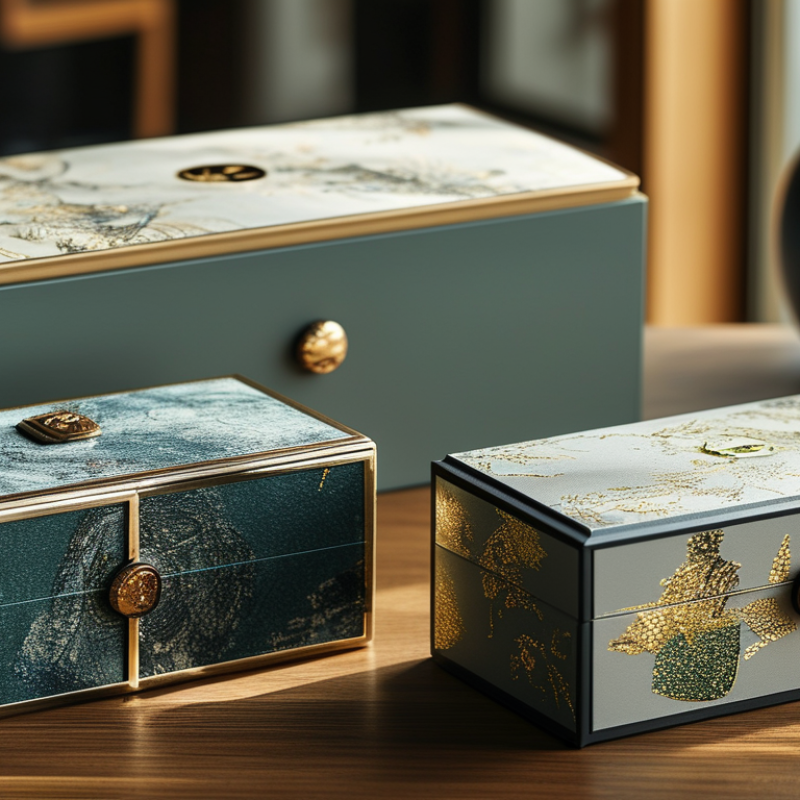
The perception of premium products often hinges on their packaging. High-quality packaging communicates value and elegance. It sets the stage for a consumer’s experience long before they engage with the product inside. For example, a soft-touch finish can make a box feel luxurious, while detailed printing can convey sophistication. These tactile elements engage the senses and enhance the emotional connection to the product.
However, not all premium packaging achieves its intended effect. Sometimes, the visual appeal overshadows functionality. A beautiful box may look stunning on a shelf but fail to protect the product effectively. This misalignment can lead to disappointment. Consumers expect that the premium exterior complements the quality of the product. When the packaging falls short, it can weaken brand trust and loyalty.
Thoughtful packaging design should not only focus on aesthetics but also consider sustainability. Eco-friendly materials resonate with conscientious consumers. They appreciate brands that prioritize environmental responsibility. Balancing visual appeal with practical benefits and sustainability can enhance overall perception. Brands must reflect on their packaging choices to avoid alienating their target audience.
| Dimension | Description | Impact on Premium Perception |
|---|---|---|
| Material Quality | Selection of high-quality materials such as glass, metal, or thick paper | Conveys luxury and attention to detail |
| Design Aesthetics | Sophisticated and visually appealing designs with unique shapes | Attracts consumer attention and enhances desirability |
| Sustainability | Use of eco-friendly, recyclable or biodegradable materials | Appeals to environmentally-conscious consumers, enhancing brand image |
| Functionality | Innovative packaging that enhances user experience, such as easy opening or pour features | Adds value and convenience, making the product more attractive |
| Brand Storytelling | Packaging that communicates brand values and story through graphics and texts | Creates an emotional connection and enhances brand loyalty |
: Packaging reflects value and elegance. It enhances the consumer's experience before they use the product.
If packaging looks great but doesn't protect the product, consumers may feel disappointed. This misalignment can lose their trust.
Eco-friendly materials resonate with conscious consumers. Brands that prioritize sustainability often build stronger connections with their audience.
Engaging textures and unique designs create memorable unboxing experiences. Customers may form emotional ties to brands because of great packaging.
Yes, overly fancy packaging may deter eco-conscious shoppers. Balancing aesthetics with environmental responsibility is a key challenge.
Brands are adopting biodegradable materials and minimalist designs. This helps reduce waste and appeal to eco-friendly consumers.
Many brands struggle to balance high quality with sustainability. Compromises on aesthetics may arise, causing tension in design choices.
While simple designs can convey luxury, they may lack emotional connection. It's essential to engage consumers through thoughtful presentation.
Brands must consider their audience's values. Thoughtful decisions can either strengthen or weaken consumer relationships over time.
Packaging's visual and tactile elements significantly influence how consumers feel about the product. Emotions can enhance brand loyalty.
Premium products require premium packaging to enhance consumer perception and create a distinction in a competitive marketplace. Quality packaging plays a vital role in shaping how consumers perceive a product’s value, as indicated by various statistics highlighting preferences for premium packaging features. This perception significantly influences brand loyalty and repeat purchases, as consumers are often willing to pay a higher price for products that exhibit superior packaging quality.
Furthermore, investing in premium packaging solutions can be analyzed through a cost-benefit lens, where the potential increase in sales and customer retention often offsets the initial investment costs. Current trends also show a growing demand for sustainable premium packaging, as consumers increasingly prioritize environmentally friendly options. Thus, understanding why do premium products require premium packaging is crucial for brands aiming to meet consumer expectations and drive business success.

 Amnet Packaging