The packaging industry is evolving rapidly. Understanding what packaging trends are shaping the market is crucial for businesses looking to stay competitive. Companies are adopting innovative materials, taking sustainability seriously, and enhancing user experience.
Among these trends, eco-friendly packaging stands out. Consumers increasingly demand environmentally responsible options. Brands must adapt or risk losing market share. Additionally, personalization is gaining traction. Custom packaging solutions create a unique connection with consumers, making them feel valued.
Emerging technologies, like smart packaging, also play a role. They provide enhanced functionality and connectivity. However, implementation can be challenging. Companies need to weigh the costs and benefits. The packaging landscape is dynamic, with room for growth and improvement. Keeping an eye on trends is vital for future success.
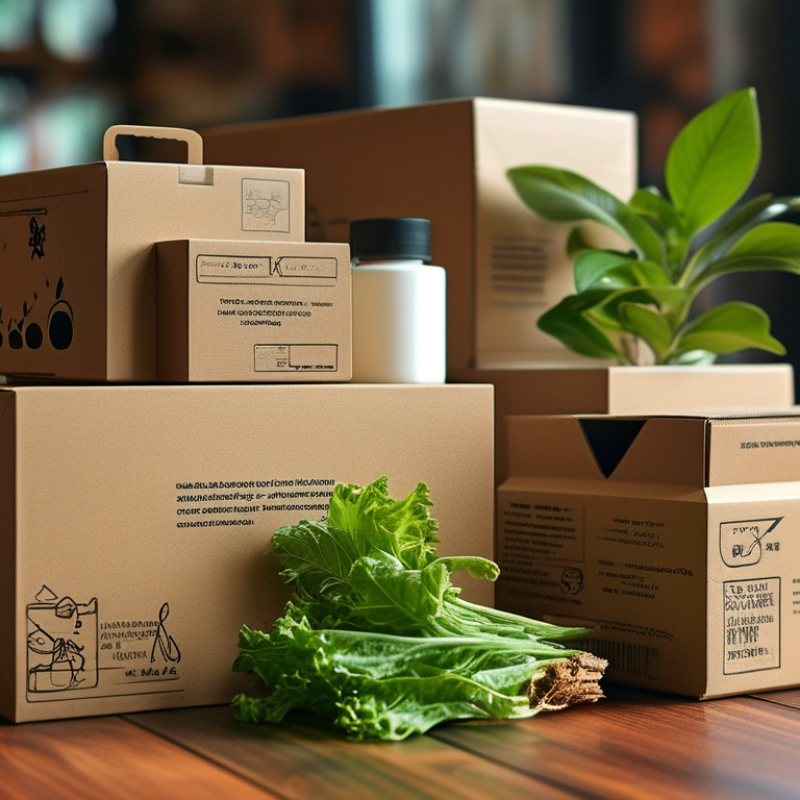
The global packaging landscape is evolving swiftly. Sustainable packaging solutions are becoming more prominent. Companies are prioritizing eco-friendly materials, reducing waste, and enhancing recyclability. These innovations not only meet consumer demand but also address environmental concerns.
Biodegradable materials, such as plant-based plastics, are gaining traction. These materials break down faster and minimize landfill impact. However, challenges remain in scaling production and maintaining cost-effectiveness. Some products labeled as "biodegradable" still require specific conditions for decomposition.
Reusable packaging is another trend reshaping the market. Companies are exploring refill stations and returnable containers. This model fosters a circular economy but raises logistical questions. Not all consumers are ready to adapt to this shift. Overall, the journey toward sustainable packaging is complex, requiring commitment and creativity.
Minimalist packaging design has gained popularity around the globe. This trend emphasizes simplicity and functionality. Clean lines and lower visual clutter attract consumers seeking authenticity. Brands are moving away from extravagant designs. They aim to create packaging that feels honest and direct.
Eco-friendly materials often complement minimalist designs. Many consumers value sustainability. Simple packaging can reduce waste and shipping costs. Brands may rethink their processes to align with sustainable practices. However, this transition isn’t always easy. Some companies struggle to balance aesthetics with sustainability.
Minimalist packaging presents challenges too. While it appeals to many, it may lack the thrill some consumers desire. Striking the right balance requires careful thought. Brands must consider their identity and customer preferences. This evolving landscape invites ongoing conversations about design choices and consumer expectations. As trends shift, so must the strategies to ensure relevance in the marketplace.
| Trend | Description | Impact on Market (%) | Regions Most Affected |
|---|---|---|---|
| Sustainability | Increasing demand for eco-friendly materials and designs. | 35% | North America, Europe, Asia |
| Minimalist Aesthetics | Focus on simple and clean designs that enhance product appeal. | 28% | Europe, Asia |
| Digital Printing | Increased use of digital technology to improve customization options. | 22% | Global |
| Smart Packaging | Integration of technology, such as QR codes and NFC, into packaging. | 15% | North America, Asia |
| Functional Design | Focus on usability, portability and convenience in packaging. | 20% | Global |
Smart packaging technology is transforming the global market. This innovation enhances product tracking and consumer engagement. According to Smithers Pira, the smart packaging market is projected to reach $31 billion by 2025. This growth is driven by rising consumer demand for safety and convenience.
Integration of sensors and RFID tags allows real-time monitoring. For instance, temperature-controlled packaging can prevent spoilage. This is especially vital in the food and pharmaceutical sectors. A study by Mordor Intelligence states that the temperature-controlled packaging market is expected to grow at a CAGR of 14.6% through 2025. However, challenges remain.
Not all manufacturers embrace this technology. Cost and complexity can deter smaller companies. There is a need for industry-wide standards to enhance interoperability. As new materials emerge, the environmental impact of smart packaging needs reevaluation. This ongoing evolution demands attention and critical thinking from all stakeholders involved.
Consumer preferences are rapidly transforming the packaging landscape. A recent market study showed that
72% of consumers prefer
eco-friendly packaging. This demand significantly influences how companies approach packaging materials. Many are shifting towards biodegradable options and reducing plastic usage. This trend reflects a broader awareness of environmental sustainability.
Interestingly, while consumers push for eco-friendly choices, only
20% are willing to pay more for sustainable packaging. Brands must navigate this delicate balance. They need to enhance sustainability without compromising on cost. Striking this balance is challenging. Packaging must be
functional,
visually appealing, and
environmentally responsible.
Tips: Consider using materials that have a low carbon footprint. Look for suppliers who prioritize sustainable practices. Keep in mind that consumers are becoming increasingly savvy. They can easily spot
greenwashing. Authenticity in sustainable claims is crucial. Building trust with transparent practices may foster deeper customer loyalty.
Regulatory influences are reshaping packaging practices globally. Governments are increasingly focusing on sustainability. They impose stricter regulations on materials used in packaging. This shift aims to reduce environmental impact. For example, single-use plastics face bans in many regions. Many companies must adapt quickly to comply.
Labeling requirements are also evolving. Clear information about ingredients and recyclability is becoming essential. Consumers demand transparency. They want to know how to dispose of packaging responsibly. In response, brands are updating their labels to meet these expectations.
Compliance with regulations can be challenging. Companies often find themselves in a hurry to innovate. This rush sometimes leads to oversight. Quality may decline if not managed well. Balancing regulations with consumer needs is complex. The packaging industry must navigate these changes thoughtfully. As regulations evolve, staying informed is crucial.
: Companies aim to meet consumer demand and address environmental issues. They prioritize eco-friendly materials and reduce waste.
Biodegradable materials break down quickly and minimize landfill impact. Plant-based plastics are a popular option.
Scaling production and cost-effectiveness are major hurdles. Some biodegradable products need specific conditions to decompose.
Reusable packaging promotes a circular economy. However, it raises logistical questions and may not appeal to all consumers.
Smart packaging enhances tracking and consumer engagement through sensors and RFID tags. It can prevent spoilage in sensitive products.
The market is projected to reach $31 billion by 2025. It reflects increasing demand for safety and convenience.
Stricter regulations on materials and labeling requirements push rapid adaptation. This pressure can lead to quality oversights.
Consumers want clear information on ingredients and recycling options. They seek responsible disposal methods for packaging.
High costs and complexity can be barriers. There is a need for industry standards to assist these companies effectively.
Balancing regulations with consumer needs is crucial. The industry must continue evolving while remaining environmentally conscious.
The article titled "What Packaging Trends Are Shaping the Global Market?" explores several key developments in the packaging industry that are redefining market dynamics. Among the prominent trends is the emergence of sustainable packaging solutions, which reflect a growing commitment to environmental stewardship across global markets. Additionally, minimalist packaging design is gaining traction as consumers increasingly favor simplicity and practicality in product presentation.
Innovations in smart packaging technology are also highlighted, showcasing how advancements can enhance user experience and product tracking. Furthermore, evolving consumer preferences are driving significant changes in packaging materials, pushing manufacturers to adopt eco-friendly options. Finally, regulatory influences play a crucial role in shaping packaging practices, prompting businesses to adapt to new standards and consumer expectations. Overall, the discussion provides insights into what packaging trends are shaping the market and emphasizes the necessity for adaptability in this ever-changing landscape.

Amnet Packaging