In today's competitive market, packaging plays a pivotal role in how does packaging support brand storytelling. According to Lisa Johnson, a leading expert in branding and packaging design, “Every packaging choice tells a story. It is where a brand's persona meets the consumer's expectations.” This statement captures the essence of why brands must consider packaging thoughtfully.
Packaging is often the first touchpoint for consumers. It conveys messages beyond the product itself. Bold colors, unique shapes, and textures can evoke feelings and memories. For instance, a minimalist design can suggest sophistication while a vibrant pattern may communicate fun and energy. Each element has the power to resonate with specific consumer interests.
However, not all packaging succeeds in storytelling. Some brands miss the mark, creating confusion rather than connection. This inconsistency can hinder the storytelling process and alienate potential customers. Reflecting on these failures allows brands to refine their approach. They must ask, “How does our packaging convey our story?” Striving for relevance in design can lead to stronger consumer relationships and a more compelling brand narrative.
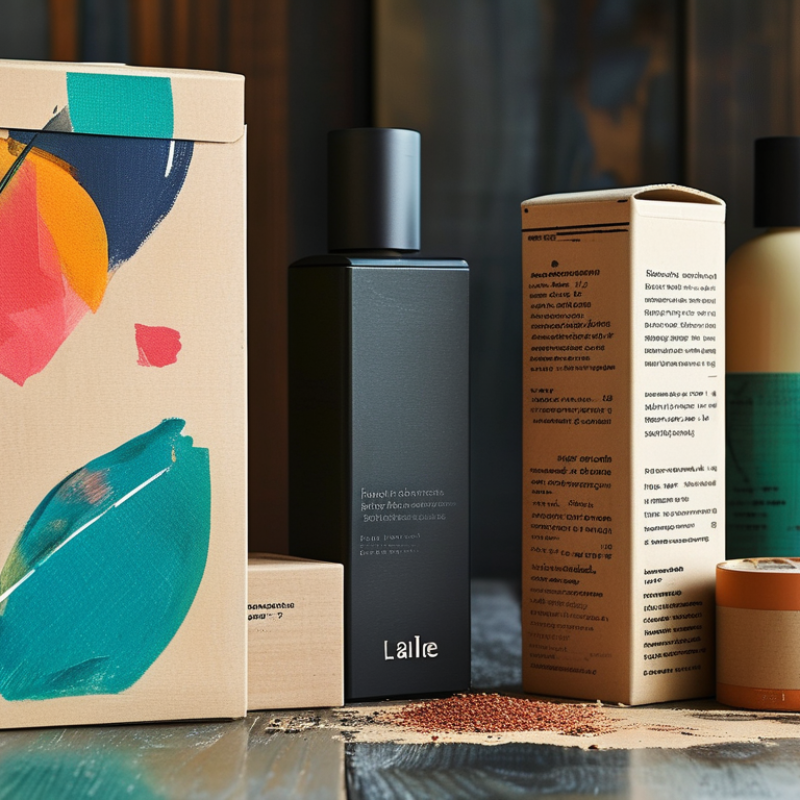
Packaging plays a crucial role in shaping brand identity and recognition. According to a study by the Brand Institute, 72% of consumers judge a brand by its packaging before they even experience the product. This highlights how first impressions matter, particularly in a crowded marketplace. Effective packaging can differentiate a product from competitors, creating a memorable visual identity that resonates with potential buyers.
For instance, consider the use of color. Research from the Institute for Color Research shows that color increases brand recognition by up to 80%. Brands that carefully choose colors can evoke emotions, trigger memories, and foster connections. However, not every packaging design succeeds. Some brands struggle to convey their story effectively, potentially confusing consumers and damaging brand perception.
Moreover, sustainability is increasingly critical. A survey from Nielsen found that 66% of global consumers are willing to pay more for sustainable brands. Packaging that emphasizes eco-friendliness can reinforce a brand’s commitment to sustainability. However, many brands still face challenges in balancing aesthetics with responsibility—an area where reflection and innovation are needed.
Packaging is a powerful tool that shapes brand storytelling. Visual elements in packaging communicate brand values effectively. A 2021 study found that 72% of consumers make purchasing decisions based on packaging alone. This highlights the significant role visuals play in brand perception.
Colors, typography, and imagery are vital in conveying messages. Research suggests that packaging design influences consumer emotions. For instance, a brand that uses eco-friendly materials can appeal to consumers' desire for sustainability. This alignment with values fosters trust and loyalty. Choosing the right colors can evoke specific feelings, such as happiness or urgency.
However, not every packaging design succeeds. Overly complicated graphics can confuse rather than clarify. Minimalistic designs often resonate better with consumers. A 2022 study indicated that 60% of consumers prefer simple, clean designs that clearly communicate the brand's essence. Striking a balance between creativity and clarity is crucial. Brands must consistently evaluate their packaging strategies.
Packaging plays a crucial role in shaping consumer perception. It's the first tactile and visual encounter a buyer has with a product. An eye-catching design can evoke curiosity and excitement. Conversely, a dull or cheap package can trigger disappointment even before opening, affecting initial impressions.
Colors, textures, and materials significantly impact emotions. For instance, a matte finish may suggest luxury, while bright colors can indicate fun and energy. Consumers often relate to these visual cues on a subconscious level. This emotional connection influences buying decisions. A package that tells a story can transport the consumer, making them feel part of something larger than the product itself.
However, not all packaging resonates positively. Overly complex designs can confuse buyers. If the message is unclear, it leads to frustration. Some may appreciate minimalistic packaging, while others might find it lacking. Striking the right balance in packaging can be challenging, but it's essential for effective brand storytelling. It's a constant journey of reflection and iteration to ensure packages truly resonate.
Packaging is more than just a protective layer; it is a canvas for brand storytelling. Innovative designs can evoke emotions and connect with consumers instantly. A well-crafted package not only showcases the product but also communicates the brand’s essence. Colors, textures, and shapes can all convey a narrative. For example, earthy tones might suggest sustainability, while bold graphics can indicate fun and excitement.
Integrating storytelling techniques into packaging design creates engaging experiences for buyers. Visual elements should reflect the brand's values and ethos. For instance, using imagery of local artisans can highlight craftsmanship. This approach invites consumers to be part of the brand’s journey. However, brands must be cautious. Misleading representations can damage trust. Authenticity remains crucial; the story told must align with the actual product. Thoughtful details, like illustrating the sourcing story on the box, can resonate deeply. In contrast, overly complex designs might confuse rather than clarify.
Consumers crave connections. Packaging can bridge the gap between the buyer and the brand story. By marrying creativity with strategy, brands can create a powerful narrative right on the shelf. Yet, amid this creativity, staying true to the brand voice is essential. Emphasizing genuine storytelling enhances the overall experience. Brands should continually evolve their packaging to maintain relevance and authenticity in a rapidly changing market.
Packaging plays a crucial role in brand storytelling. It is the first touchpoint for consumers. Effective packaging evokes emotions and connects with a target audience. A well-designed package enables a product to stand out on crowded shelves. Moreover, thoughtful materials can reflect a brand's values. For instance, sustainable options can tell a story of responsibility.
Case studies illuminate successful storytelling through packaging. One example illustrates how minimalistic design can convey sophistication. A luxurious box may use rich colors and textures. Contrastingly, another case shows how playful graphics attract a younger crowd. Each choice communicates shared values with consumers. However, simplicity and creativity can sometimes miss the mark. Overly complex designs can confuse the message.
Reflecting on these cases reveals challenges. Brands must balance creativity with clarity. Navigating this balance can be daunting. Packaging should be memorable but not overwhelming. By learning from both successes and failures, brands can refine their storytelling. Addressing these nuances enhances packaging's impact. Ultimately, it's about connecting narratives with consumers authentically.
: Packaging shapes brand identity and recognition, influencing first impressions for consumers.
Color can boost brand recognition by up to 80%, evoking emotions and memories.
Many consumers prefer eco-friendly packaging, emphasizing a brand's commitment to responsibility.
Packaging affects perceptions; eye-catching designs can create excitement, while dull packages may lead to disappointment.
Striking a balance between creativity and clarity can be difficult. Overly complex designs may confuse consumers.
Yes, effective packaging can connect with consumers, reflecting shared values and creating emotional bonds.
Memorable packaging balances aesthetics with clear messaging while resonating with the target audience.
By learning from successes and failures, brands can improve and create more impactful packaging.
Yes, some consumers prefer minimalistic designs, while others enjoy more playful, vibrant graphics.
Textures can suggest luxury or energy, influencing consumer perceptions and emotions significantly.
Packaging plays a crucial role in enhancing brand storytelling by serving as a vital component of brand identity and recognition. Through carefully designed visual elements, packaging communicates core brand values, reinforcing the emotional connection between the product and its consumers. This connection is further strengthened as packaging influences consumer perception and elicits specific emotions, thereby deepening the overall brand experience.
Integrating storytelling techniques into packaging design allows brands to convey narratives that resonate with their target audience. By utilizing various design elements, brands can create compelling stories that engage consumers, making packaging a powerful storytelling tool. Case studies demonstrate how successful brands have leveraged packaging to tell their stories effectively, emphasizing the importance of understanding how packaging supports brand storytelling in today’s competitive market.

Amnet Packaging