Packaging plays a crucial role in product marketing. It serves as the first point of contact between a consumer and a brand. Effective packaging can influence purchasing decisions quickly. This is why is packaging important in product marketing. Great packaging grabs attention and communicates value.
Consider the vibrant colors and innovative designs that attract shoppers in stores. Every detail counts, from material choice to shape. Consumers often judge products by their packaging before knowing anything else. An eye-catching package can lead to increased sales.
However, not all packaging is successful. Some brands overlook their target audience’s preferences. They might favor aesthetics over functionality. This reflection on packaging strategies can be enlightening for marketers. Understanding why packaging matters can lead to better engagement and brand loyalty.
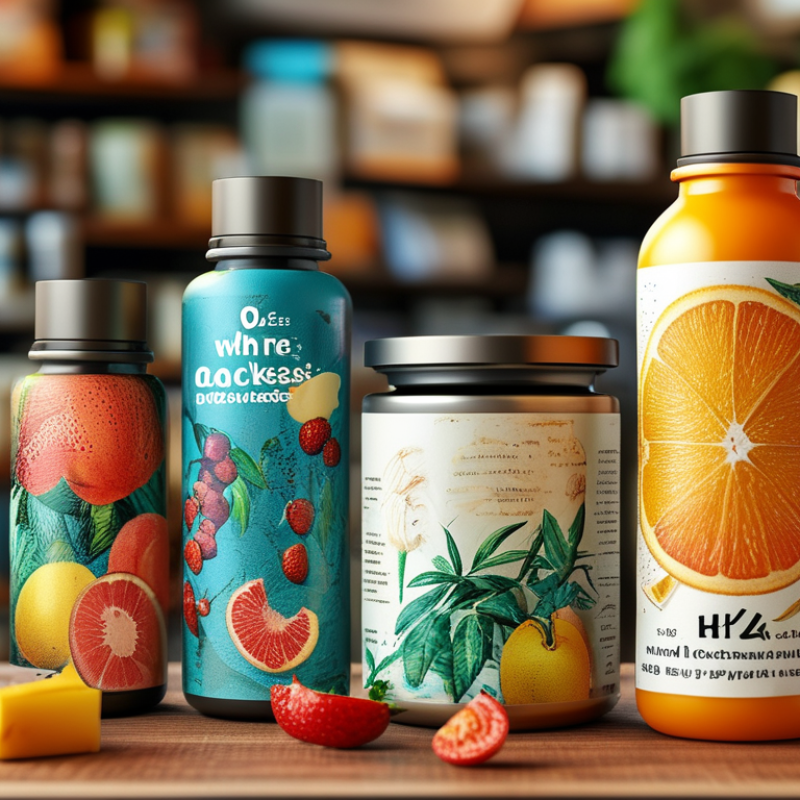
Packaging plays a crucial role in product presentation, significantly impacting consumer perceptions and buying decisions. Research indicates that 72% of consumers say packaging design influences their purchasing choices. Effective packaging grabs attention on shelves and communicates brand values instantly. Thoughtful design elements can enhance product appeal and create lasting impressions.
For example, colors, shapes, and materials evoke emotions and convey messages. A study revealed that color increases brand recognition by up to 80%. Yet, many companies overlook this aspect. They focus solely on functionality rather than visual appeal. An attractive package can tell a story, reflecting the product's essence and attracting target audiences.
Moreover, sustainability is becoming increasingly important. Reports show that 50% of consumers prefer brands with eco-friendly packaging. Still, many brands struggle to balance aesthetics and environmental impact. They face the challenge of creating beautiful designs that also consider sustainability. Packaging is not just a protective layer; it shapes consumer experiences and drives brand loyalty. Striking the right balance in packaging design can make or break a product's success in a competitive market.
Packaging plays a pivotal role in shaping consumer perception. According to a study by the Paper and Packaging Board, 72% of consumers say that packaging design influences their purchasing decisions. This statistic underscores the potential of packaging to attract attention and convey brand values. It can evoke emotions and create first impressions that are often lasting.
Aesthetic appeal matters significantly. Research from the Packaging Association suggests that visual elements can increase buying likelihood by 30%. Colors, shapes, and materials all contribute to this. A well-designed package can tell a story, enhancing a product's perceived value. Yet, this focus on design must not overshadow functionality. A package that looks good but fails to preserve the product will quickly lose consumer trust.
Several brands face backlash over misleading packaging. Consumers resent it when expectations set by the package are not met. Nearly 40% of people admit they have returned products due to packaging not aligning with its content. This highlights a critical need for brands to maintain honesty in their packaging efforts. Ultimately, the challenge for marketers is to strike a balance between creativity and transparency.
Packaging plays a critical role in product marketing. It serves as the first point of contact between consumers and brands. A well-designed package communicates brand values effectively. It can attract attention on crowded shelves, but it must reflect what a brand stands for. Disconnect between packaging design and product quality can harm consumer trust.
Branding and packaging are interconnected. Packaging not only protects the product but also enhances its appeal through colors, shapes, and materials. For example, an eco-friendly design sends a strong message about sustainability. However, superficial aesthetics won't suffice. If the product inside doesn't meet expectations, the initial allure fades quickly.
Reflecting on branding efforts is crucial. Many companies overemphasize flashy packaging without clarity in messaging. Simple, clear designs can sometimes resonate more with consumers. The challenge lies in balancing creativity with genuine representation of the brand. True success is achieved when packaging design aligns seamlessly with brand identity and product experience.
Innovative packaging solutions play a crucial role in product marketing success.
Eye-catching designs attract consumer attention instantly. Unique shapes and eco-friendly materials can set products apart on crowded shelves.
For instance, a vivid color scheme can evoke emotions, influencing buying decisions.
Packaging that tells a story often resonates with customers on a deeper level.
However, not every innovative idea succeeds. A well-designed package does not guarantee sales.
Poor functionality can lead to customer frustration. Easy-to-open packaging is essential for user satisfaction.
If the product is hard to access, consumers may abandon their purchase altogether. Companies must test packaging concepts with real users to gather valuable feedback.
Finding the right balance between aesthetics and practicality is challenging.
Brands must continually adapt to market trends and customer preferences. Regular assessments of packaging performance are vital.
This ensures that marketing goals align with consumer needs. In a fast-evolving market, staying flexible is key to lasting success.
The right packaging solution is more than just a pretty face; it is a strategic component integral to overall product appeal.
Sustainable packaging plays a crucial role in modern marketing strategies. Companies are increasingly aware of their environmental impact. Shoppers today prefer products packaged with eco-friendly materials. They are inclined to support brands that prioritize sustainability.
Choosing the right materials is challenging. Many brands struggle to balance cost and environmental benefits. Biodegradable options exist, but they may not always meet performance expectations. Likewise, recycled materials can be expensive and harder to source. It is essential to ensure that packaging remains functional while reducing harm to the planet.
Transparency in packaging choices builds consumer trust. Brands should communicate their sustainability efforts effectively. However, messages can sometimes come off as greenwashing. This creates skepticism and can damage a brand's credibility. Marketers must strive for authenticity in their sustainable practices. Exploring innovative solutions is vital. Brands can rethink design and material usage to enhance both marketing and responsibility.
: Packaging significantly influences consumer perceptions. Research shows that 72% of consumers consider design before purchasing.
Color increases brand recognition by up to 80%. It evokes emotions and communicates messages effectively.
Sustainability is crucial. About 50% of consumers prefer eco-friendly packaging, highlighting the importance of responsible choices.
Yes, good packaging reflects the product’s essence. It can connect with target audiences and create lasting impressions.
Brands often struggle here. They need to create beautiful designs that also protect the product and communicate values.
Overly flashy designs without clear messaging can confuse consumers. Simple, clear designs often resonate more effectively.
Transparency builds trust. Misleading claims can lead to skepticism and harm a brand's credibility. Authenticity is essential.
Innovative solutions are key. Rethinking materials and design can enhance marketing while promoting environmental responsibility.
A disconnect can damage consumer trust. Beautiful packages fall flat if the product fails to meet expectations.
Balancing cost with eco-friendly materials is tough. Biodegradable options may not always perform well, creating dilemmas.
Packaging plays a crucial role in product marketing by serving as the first point of contact between consumers and products. Understanding the role of packaging in product presentation is essential; it not only protects the product but also enhances its visual appeal. Moreover, the packaging design significantly influences consumer perception and purchasing decisions, making it imperative for brands to consider how their packaging communicates value and quality.
The connection between branding and packaging design is vital, as cohesive branding can create a memorable identity that resonates with consumers. Innovative packaging solutions can also impact market success by attracting attention and differentiating products in a crowded marketplace. Additionally, sustainable packaging has become a pressing concern, balancing effective marketing strategies with environmental responsibility. Ultimately, answering the question of why is packaging important in product marketing reveals its multifaceted impact on consumer engagement and brand loyalty.

Amnet Packaging