Printed packaging is often the first product detail a shopper can inspect. Before opening a box or tasting what is inside, people notice its colors, wording, shape, and finish. On a busy shelf, a clear label can make a product easier to find. A matte carton, a bright accent, or a small window showing the contents may also set expectations. These cues matter, but they do not guarantee a purchase. Shoppers weigh price, need, familiarity, and trust, too.
So, how does printed packaging influence consumer buying decisions? This article explores how design can attract attention, communicate product benefits, and help a brand feel recognizable. It also considers readability, material cues, consistency, and the role of useful information. A shopper comparing two jars may notice ingredient details before a decorative pattern; someone choosing a gift may care more about presentation. Context changes the response. That is easy to overlook.
Effective packaging connects visual appeal with accurate, legible information. Font size, contrast, and placement can affect how quickly shoppers understand a label, especially under store lighting. Yet attractive design cannot make a weak product dependable, and vague claims may leave people skeptical. Packaging is not magic. It is one influence among many, and its impact can be hard to separate from price or brand reputation. The sections ahead examine practical ways printed packaging can shape first impressions and choices, while recognizing where its influence has limits.
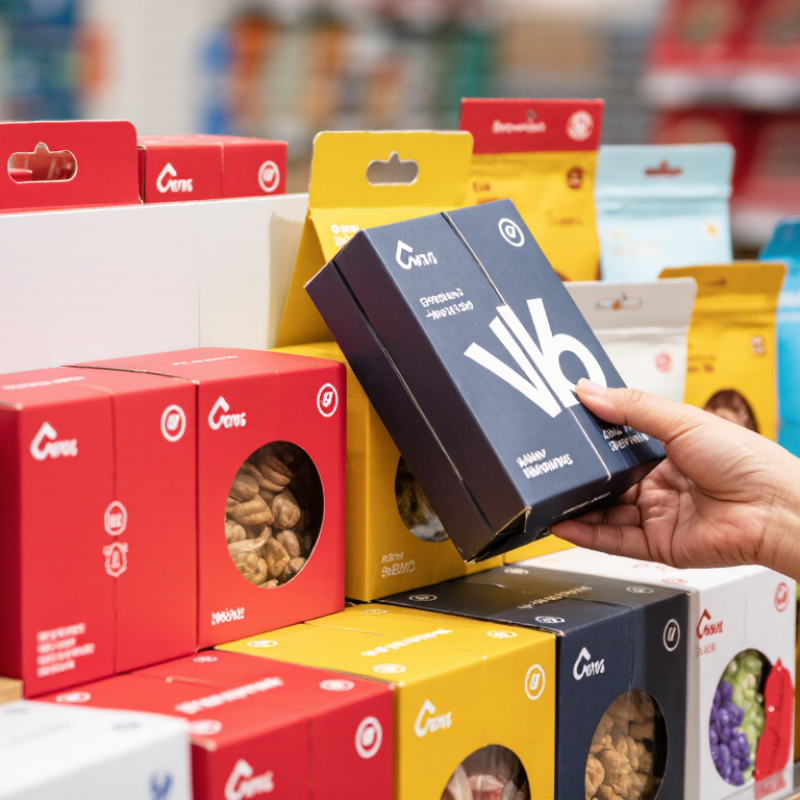
How Printed Design Wins Attention: 72% Say Packaging Affects Purchases (P&P Board, 2016)
Printed packaging has only a brief moment to earn attention on a crowded shelf. The Paper and Packaging Board reported in 2016 that 72% of consumers said packaging affects their purchase decisions. That figure makes design a commercial consideration, not just decoration. A clear product name, strong contrast, and readable details can help shoppers understand what is in front of them. Small choices matter. A matte carton feels different from a glossy pouch; a small serving image can make size easier to judge.
Attention does not guarantee a sale.
The 2016 Packaging Matters study reported that 81% of consumers had tried a product after its packaging caught their eye. But trial may depend on price, need, and trust, too. Treating these numbers as universal rules would be a mistake. They describe reported consumer responses, not a promise of results for every shelf or audience. In practice, printed design works best when visual appeal meets useful information: legible ingredients, a clear use suggestion, and colors that remain consistent under store lighting. Even then, packaging can confuse people. That deserves a real test. (Paper and Packaging Board, 2016; Packaging Matters, 2016)
How Brand Signals on Packaging Build Recognition and Trust
Top Ways Printed Packaging Influences Buying Decisions?
How Brand Signals on Packaging Build Recognition and Trust
Recognition grows through repeated, consistent cues. A shopper may spot the same color, typeface, or small symbol on a crowded shelf before reading the product details. Clear placement helps those cues work together. If every panel looks different, recognition can weaken.
A 2016 Ipsos survey for the Paper and Packaging Board found that 72% of consumers said packaging design could influence their purchase decisions. That does not mean attractive printing guarantees trust. It shows why legible names, useful information, and consistent visual details deserve attention. Nielsen’s 2015 Global Sustainability Report found that 66% of respondents were willing to pay more for sustainable goods. Packaging can support that interest when material claims are specific and easy to verify, rather than vague green imagery.
Trust is built in small moments. A readable ingredient panel, crisp print, and secure seal can make a package feel considered when someone picks it up. Poor contrast or crowded text can create doubt, even when the product itself is sound. There is a catch: visual polish can also raise expectations. If the contents or information disappoint, the package’s promise may feel overstated. Brands should test designs at actual shelf distance and under ordinary store lighting, not only on a bright screen.
How Clear Product Information Helps Shoppers Compare Options
At the shelf, shoppers may compare several packages in seconds. Clear printed information makes that task easier. A readable product name, net quantity, ingredient list, and preparation instructions help people judge what they are getting without searching online. The Food Marketing Institute’s 2017 Power of Transparency report found that 86% of surveyed shoppers considered transparency important or extremely important. That interest has practical consequences: cramped type or vague wording can make a suitable product seem harder to assess.
Layout matters, too. Group related details together and use strong contrast so key facts stand out under bright store lighting. A shopper holding two jars should be able to find serving size and ingredients in roughly the same place on each label. Salsify’s 2024 Consumer Research report found that 87% of surveyed consumers considered product content very or extremely important when deciding what to buy. Clear claims can support comparison, but they need context. “High in protein” means less when serving sizes differ.
Small details count. A smudged date or tiny qualifier can weaken confidence. Still, packaging cannot answer every question, and more text is not always better. Surveys capture stated preferences, not every real-world choice. Designers should test labels at actual package size, then ask shoppers what they can find quickly. A little humility helps.
How Readable Labels and Practical Formats Reduce Purchase Friction
Readable labels reduce the small doubts that interrupt a purchase. A shopper comparing two jars should find the serving size, ingredients, and opening instructions without turning the package repeatedly. Clear type, strong contrast, and plain wording make those details easier to scan under bright store lights. Small improvement. The Food Revolution Study (2016) reported that 94% of surveyed consumers were more likely to be loyal to companies offering complete transparency. That finding supports clearer information, though it does not prove that label design alone creates loyalty.
Practical formats matter after the shelf, too. A resealable pouch, a steady-bottom carton, or a lid that opens without a struggle can make everyday use feel less risky. The Packaging Matters 2018 survey found that 81% of consumers had tried a new product because its packaging caught their attention. Attention may prompt a first purchase; convenient handling can shape whether the product earns another. These survey results are directional, not universal. They cannot tell us which format works best for every shopper or product.
Designers should test labels at actual viewing distance and formats with real hands, not just polished mock-ups. Can someone read the storage note quickly? Can they grip the pack with damp fingers? There is a trade-off: adding more helpful detail can also crowd the label. A package may look clear on screen and still confuse someone in a hurry. That deserves a rethink.
How Printed Packaging Can Influence Buying Decisions
Consumer-reported influence of packaging design and materials
In a 2016 consumer survey, 72% said packaging design can influence their purchase decision, 67% said packaging material matters, and 63% said paper or cardboard packaging makes them more likely to buy. Clear, readable labels and practical formats can help shoppers assess products with less effort. Survey responses reflect reported opinions, not measured sales.
How Sustainable Packaging Shapes Demand: 82% Will Pay More (Trivium, 2023)
Printed packaging can make sustainability visible before shoppers read a product description. A paper sleeve with a lightly textured surface, clear recycling guidance, and restrained ink coverage can signal care. These details may strengthen trust, especially when the package feels consistent with the product inside. Small details speak.
Trivium’s 2023 report found that 82% of surveyed consumers said they would pay more for sustainable packaging. That figure suggests meaningful demand, but stated willingness is not the same as a purchase at checkout. Price, convenience, and confidence in environmental claims still matter. A package should explain specific choices, such as recycled material or reduced plastic, without implying more than the evidence supports. There is room to improve: recycling instructions can be confusing, and sustainable-looking design alone does not prove better performance.
Tips: Use readable type and concrete material descriptions. Show disposal guidance where shoppers can find it. Test whether the package survives shipping and stays easy to open. A greener design that frustrates customers may weaken trust.
Top Ways Printed Packaging Influences Buying Decisions? - How Sustainable Packaging Shapes Demand: 82% Will Pay More (Trivium, 2023)
| Decision dimension |
Reported data |
What it indicates |
Relevance to printed packaging |
| Willingness to pay more |
82% of consumers surveyed said they would pay more for sustainable packaging.
|
Sustainability can contribute to perceived product value and willingness to accept a price premium. |
Printed information can make packaging attributes—such as recyclability or material composition—easier to notice and understand. The survey figure does not measure the effect of printing separately. |
| Packaging sustainability |
Identified in the survey as a consumer consideration related to paying more for packaging described as sustainable. |
Environmental attributes may affect how shoppers assess a product’s value. |
Use clear, accurate on-pack wording; avoid claims that cannot be substantiated. |
| Point of choice |
The 82% figure measures stated willingness to pay more; it is not a measured sales-conversion rate. |
Positive attitudes do not, by themselves, establish actual purchasing behavior. |
Treat packaging design as one potential influence among price, product performance, availability, and consumer preferences. |
Source: Trivium Packaging, 2023 Global Buying Green Report, as cited in the supplied title. The 82% figure is a stated consumer-survey response, not a guarantee of purchase or a measured effect of printed design.
Conclusion
Printed packaging can shape a shopper’s first impression and influence what they choose. One survey found that 72% of consumers said packaging affects their purchases, highlighting the value of a design that stands out while making a product’s purpose easy to understand. Consistent colors, visuals, and other brand signals can help shoppers recognize a product and feel more confident about it. Clear descriptions and useful details also make it easier to compare options and decide whether a product meets their needs.
So, how does printed packaging influence consumer buying decisions? It can reduce hesitation by presenting information in a readable way and using practical formats that are easy to handle, open, and store. Sustainability can matter too: research reported that 82% of consumers would pay more for sustainable packaging. When attractive design, clear information, convenience, and responsible material choices work together, packaging can make a product easier to notice, evaluate, and choose.

 Amnet Packaging