How Does Packaging Build Brand Value?

Time:2026-10-29 Author:Liam
0%

How does packaging contribute to brand value? It turns an abstract promise into something customers can see, touch, open, and remember. A muted carton, a familiar color, or a sturdy closure can signal quality before anyone tries the product. Packaging also works at the shelf, where a brand may have only seconds to earn attention. Small details matter.

A 2018 survey by Ipsos for the Paper and Packaging Board found that 72% of consumers said packaging design could influence their purchasing decisions. That figure is a useful signal, not a guarantee of sales: the survey measured consumer responses, not the long-term value created by every package. Still, it shows why packaging deserves attention alongside product design and marketing. Walter Landor, founder of the brand consultancy Landor Associates, famously observed, “Products are made in the factory, but brands are created in the mind.” Packaging helps shape that perception through repeated, physical encounters.

Its value goes beyond appearance. Clear labeling can make a product easier to understand; thoughtful structure can make it easier to carry, store, and use. Consistent visual cues can also help customers recognize a brand across stores and online listings. But attractive packaging cannot repair a poor product experience. That tension is worth examining. A costly box may even feel wasteful if it adds little practical value. This outline explores how packaging can strengthen recognition, trust, perceived quality, and loyalty—and where its influence has limits.
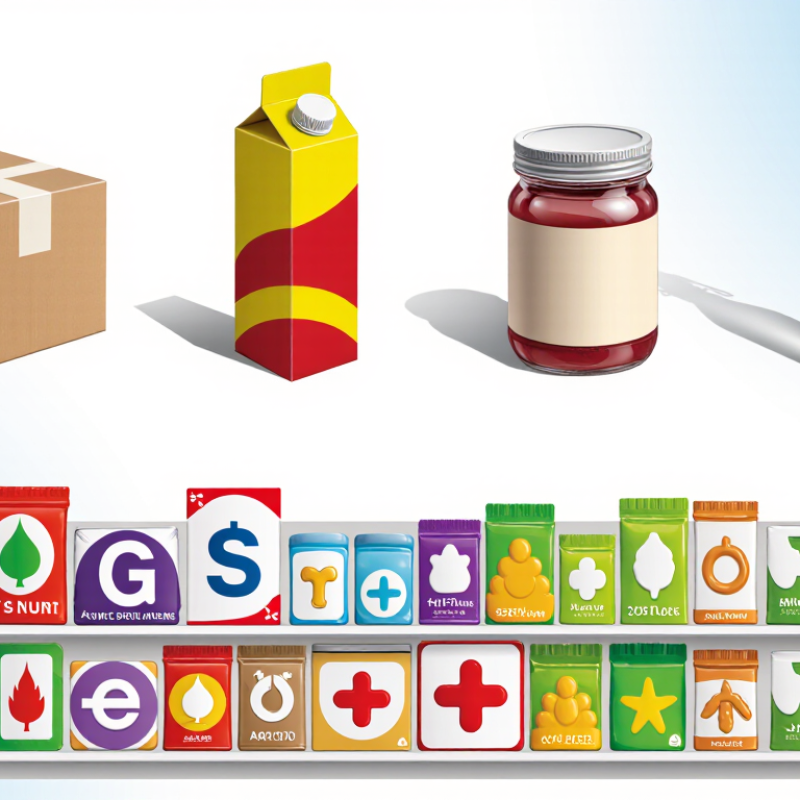
How Does Packaging Build Brand Value?

Packaging as a Physical Expression of Brand Identity

Packaging gives brand identity a physical form people can see, touch, and carry. A muted color, a crisp label, or a carefully chosen paper texture can suggest calm, precision, or warmth before anyone reads a word. The experience is immediate. A carton that opens smoothly feels considered; a jar with a slippery lid may feel less so. These details do not prove product quality, but they shape expectations around it.

Good packaging starts with practical observation. Hold the container with damp hands, check whether the label stays readable under store lighting, and notice how easily the contents can be reached. These small tests reveal where design intent meets everyday use. A restrained package can still be distinctive through its proportions, material, and typography. That is tangible. Yet design choices can miss the mark: a textured finish may look refined in a sample and feel awkward in daily use. It can fail. Feedback from real users, alongside checks for legibility and durability, helps keep the visual message useful rather than merely attractive. When form and function agree, packaging becomes a credible expression of identity.

How Does Packaging Build Brand Value?

Packaging as a Physical Expression of Brand Identity

What this suggests: Nearly three in four U.S. consumers say packaging design can influence purchase decisions. Packaging makes a brand tangible at the shelf, where visual cues can shape consideration.

Source: U.S. consumer survey reported by the Paper and Packaging Board, 2018.

How Visual Design Creates Recognition and Distinction

Visual design helps packaging become recognizable before customers read a label. Consistent colors, shapes, typography, and information placement create cues people can learn over time. An Ipsos survey for the Paper and Packaging Board reported that 72% of U.S. consumers said packaging design influences their purchase decisions. That creates an opportunity, not a guarantee. A bold color may earn a glance, but cluttered text or unclear product details can quickly weaken trust.

Distinctiveness comes from contrast, not decoration alone. A matte pouch beside glossy cartons, or a clear label with one strong color block, may stand out. Test at shelf distance. Check the design as a small mobile image, too. Keep recognizable visual cues consistent while making the product name and key details easy to find. Short, unprompted recognition tests can reveal whether people identify the product correctly. Small samples can mislead, and color meanings vary across markets.

Tips: Photograph prototypes beside competing packages, then ask viewers what they noticed first. Record misread details as well as memorable ones; the design may be distinctive for the wrong reason.

How Materials and Function Shape Perceived Quality

How Does Packaging Build Brand Value?
How Materials and Function Shape Perceived Quality

A package makes its first impression through the hand as much as the eye. A sturdy paperboard carton feels different from a thin, flexible pouch. Neither is automatically better. The right material should suit the product, protect it, and feel consistent with its purpose. A glass container may suggest care, but its weight can make everyday handling less comfortable. Small details matter. A lid that closes cleanly, an easy-open seal, or a label that stays readable can make the product feel thoughtfully made.

Function also shapes perceived quality over time. If a box arrives crushed or a closure leaks, attractive graphics cannot fully repair that experience. Clear instructions and practical sizing help people use and store products with less frustration. In packaging reviews, it is easy to focus on appearance and overlook these ordinary moments. That may be a mistake. Materials can also disappoint when they create unnecessary bulk or are difficult to separate for disposal. There is no perfect package for every need. The better choice balances protection, ease of use, and a tactile impression that fits what is inside. Sometimes that balance is less polished than expected, and worth reconsidering.

How Does Packaging Build Brand Value? - How Materials and Function Shape Perceived Quality

Packaging dimension What customers can observe How it can shape perceived quality Practical design consideration
Material rigidity Whether a box, bottle, or carton holds its shape during handling. A sturdy-feeling pack may signal protection and care; a pack that dents or collapses easily may suggest fragility. Match board thickness and container strength to product weight, shipping conditions, and intended use.
Surface and finish Texture, coating, gloss, and the consistency of printed surfaces. A clean, consistent finish can communicate attention to detail. Texture can also influence tactile impressions of the product. Choose finishes that suit the product and remain legible, durable, and comfortable to handle.
Closure and seal How securely the package closes and whether opening shows clear signs of tampering. A reliable closure can reinforce perceptions of freshness, safety, and product integrity. Use a closure suited to the product’s storage needs, and make tamper evidence easy to recognize where appropriate.
Ease of opening Whether the package opens without excessive force, tools, or mess. A straightforward opening experience can make a product feel thoughtfully designed; frustrating opening can detract from the experience. Test opening instructions and tear features with people who have different levels of dexterity.
Resealability and dispensing Whether the pack can be closed again and whether its contents can be poured or dispensed neatly. Convenient use and storage can increase perceived usefulness and support a positive experience beyond first opening. Ensure closures work repeatedly and dispensing features suit the product’s consistency and typical portion size.
Protection and preservation Whether the package helps limit damage, leakage, moisture exposure, or loss of freshness. Packaging that performs its protective role can help the product arrive and remain in the expected condition. Select protection based on the product’s actual sensitivity and the conditions it will encounter in storage and transit.
Information and readability The clarity, organization, and legibility of directions, ingredients, and other product information. Clear information can make a package feel more transparent and easier to use; crowded or hard-to-read text can undermine confidence. Prioritize essential information, use readable contrast, and check applicable labeling requirements.
Material and environmental cues Material type, amount of packaging, and disposal or recycling instructions. These cues can influence perceptions of responsibility, but unclear or unsupported environmental claims may reduce trust. Use accurate, specific claims and provide disposal guidance that reflects local recycling systems.
Consistency across the pack Whether material quality, printing, fit, and construction appear consistent from one package to another. Consistent execution can signal dependable production, while visible defects may raise questions about care and quality control. Set measurable specifications and inspect samples for print, assembly, closure, and transport performance.

Note: These are general design considerations, not quantified consumer research results. Perceptions vary with product category, context, and user needs.

How the Unboxing Experience Builds Trust and Emotional Connection

A package is often the first physical conversation between an online seller and a customer. A snug cardboard box, clean folds, and a product held firmly in place can signal care before the item is even touched. That first impression matters. Dotcom Distribution’s 2016 eCommerce Study reported that 40% of surveyed consumers were more likely to make repeat purchases from retailers using premium packaging. This is self-reported survey data, not proof that packaging alone creates loyalty, but it shows how delivery can shape expectations.

The emotional connection comes from small, credible details: an easy-to-open seal, a clear note, and materials that protect without creating a pile of waste. These choices can make a delivery feel considered rather than generic. They also build trust when the product arrives undamaged and matches what the customer expected. Still, beautiful packaging cannot fix a late delivery or a disappointing product. Sometimes, brands overdesign the box and make opening it a chore. That deserves a second look.

Tips: Test the package with real customers, not just a design team. Check whether it opens easily, protects the item, and uses only necessary materials. A simple handwritten-style message can feel warm, but keep it honest and useful.

How Consistent Packaging Supports Loyalty and Brand Value

Consistent Packaging Supports Loyalty and Brand Value

Customers often meet a product through its package before they try what is inside. A familiar color, clear label, and dependable opening experience can make repeat purchases feel easier. On a crowded shelf, those details help people recognize what they already trust. The same cues matter when a parcel arrives at home. A sturdy carton and neatly arranged contents suggest care, even before use.

Consistency is more than repeating a logo. It means keeping useful features steady, such as readable instructions, reliable seals, and packaging that fits the product. Small details matter. If a lid suddenly becomes difficult to open, customers may notice more than a refreshed design. Packaging teams can review customer comments, damage reports, and usability tests to find patterns, then make changes without losing familiar cues. This takes attention over time.

Still, consistency should not become stubbornness. Materials, customer needs, and delivery conditions change, and a design that worked well last year may frustrate people now. I have seen how easy it is to overlook a tiny flaw, like instructions hidden beneath an inner flap. A thoughtful update can preserve recognition while fixing that friction. Loyalty grows when the package feels dependable, practical, and considered—not merely identical.

FAQS

How can packaging materials affect perceived quality?

A firm paperboard carton feels different from a thin pouch. Neither is automatically better. The material should protect the item and suit its purpose.

Does heavier packaging always feel more premium?

No. A glass container may suggest care, but its weight can make daily handling less comfortable. That trade-off is easy to miss.

Which small details can make packaging easier to use?

A lid that closes cleanly, an easy-open seal, and a readable label help. Clear instructions and practical sizing can reduce frustration.

Can attractive packaging make up for poor function?

Not really. A crushed box or leaking closure can overshadow attractive graphics. The experience stays with the customer.

How does unboxing influence customer trust?

A snug box, clean folds, and a securely held product can signal care. The delivery should also match expectations.

Does premium packaging guarantee repeat purchases?

No. One survey found an association with repeat-purchase intentions, but it does not prove packaging alone creates loyalty. The product and delivery matter too.

What makes an unboxing experience feel thoughtful rather than wasteful?

Use enough material to protect the item, but avoid a pile of filler. A clear note can feel warm when it is honest and useful.

How should packaging be tested before launch?

Ask real customers to open, store, and handle it. Check protection and ease of use. Design teams can miss awkward moments.

Why should packaging materials be easy to separate?

Separation can make disposal less frustrating. Extra layers may create unnecessary bulk. The best balance is not always obvious.

Conclusion

Packaging is more than a container: it is a physical expression of a brand’s identity and values. Its colors, shapes, typography, and other visual details help people recognize a product and distinguish it from alternatives. The choice of materials and the way a package works also influence perceived quality, communicating care, reliability, and attention to detail.

To understand how does packaging contribute to brand value, consider the experience it creates from first glance to unboxing. Thoughtful, easy-to-use packaging can make opening a product feel reassuring and enjoyable, building trust and an emotional connection. When these visual and functional choices remain consistent, customers know what to expect and can develop a stronger relationship with the brand. Over time, that recognition, confidence, and positive experience can support loyalty and strengthen the value people associate with the brand.

Liam

Liam

Liam is a dedicated marketing professional with a profound expertise in the industry, where he excels at highlighting the unique advantages of our core products. With a keen understanding of market trends and consumer needs, Liam frequently updates our company’s professional blog, providing......