In the ever-evolving world of packaging, understanding what factors affect packaging production costs is crucial for businesses. The packaging industry faces numerous challenges that can significantly impact expenses. These factors can vary widely, from material selection to labor costs and technological advancements.
Choosing the right materials is not just about price; it's about quality, sustainability, and functionality. Labor costs can fluctuate based on location and skill level. Additionally, the efficiency of production methods plays a vital role. Companies must invest in the latest technology to stay competitive, but this can also lead to higher upfront costs.
Another element to consider is the impact of market trends. Consumer preferences shift rapidly, and adapting to these changes can be costly. Businesses must balance innovation with budget constraints. By understanding these complexities, companies can better navigate their packaging strategies and avoid unexpected expenses. Ultimately, reflecting on these factors can lead to more informed decisions in packaging production.
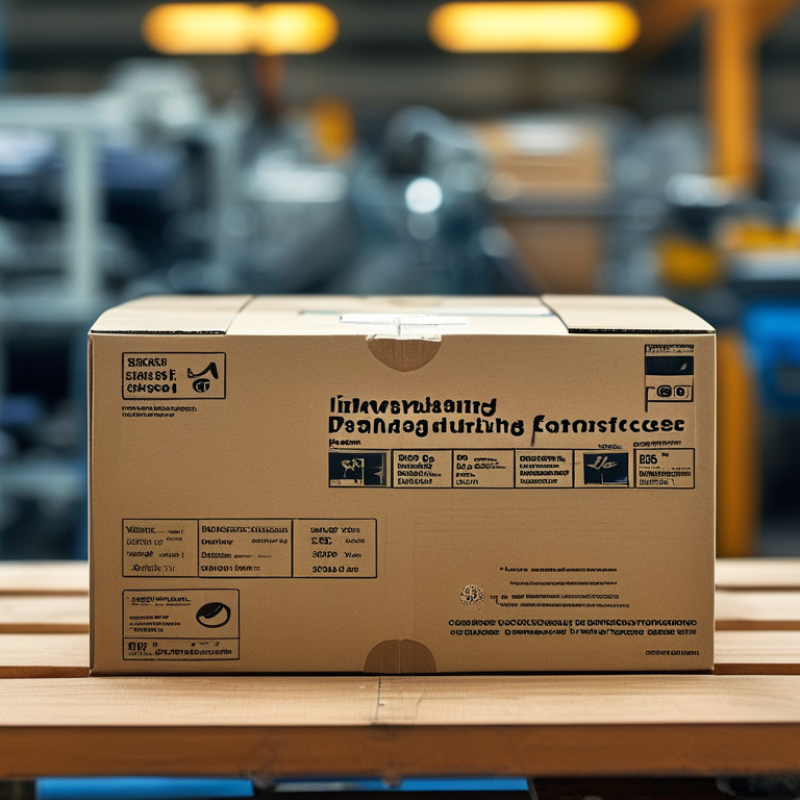
Material selection plays a crucial role in packaging production costs. The type of material chosen can significantly impact both initial expenses and long-term sustainability. For instance, biodegradable options may save costs in waste management, yet might be pricier upfront. Balancing these factors is essential for cost-effective packaging.
Recyclable materials are often more affordable in bulk. However, their sourcing can sometimes be challenging. This complicates the production process. A wrong choice can lead to delays. Additionally, performance characteristics should not be overlooked. A lightweight yet durable material may reduce shipping costs. Yet, if it compromises product protection, expenses could rise due to damaged goods.
It's important to consider local availability too. Materials sourced close to production sites may lower transportation costs. Still, these choices might limit options. This tension between cost and capability can lead to reflection on what matters most. Ultimately, making informed decisions about material selection is key to achieving both cost efficiency and quality in packaging.
Labor costs play a crucial role in packaging production expenses. According to the Bureau of Labor Statistics, labor accounts for nearly 25% of total production costs in the packaging industry. This figure includes wages, benefits, and training expenses. As companies strive for efficiency, labor costs remain a constant challenge.
Finding skilled labor is increasingly difficult. The packaging sector is experiencing a talent shortage, with many companies struggling to fill positions. This gap often leads to higher wages to attract qualified workers. Additionally, automation implementation can offset some of these costs. However, acquiring advanced machinery involves significant upfront investment.
Employee turnover also impacts costs. High turnover rates lead to increased training costs and disruption in production schedules. Research shows that companies with lower turnover can save up to 30% on labor costs. Thus, fostering a positive work environment is essential for reducing expenses. Overall, labor costs are a dynamic element of packaging production that requires strategic management and ongoing evaluation.
Investing in technology and equipment is a critical factor in packaging production costs. The industry has seen significant advancements, making state-of-the-art machinery essential. According to a recent industry report, over 40% of packaging companies have upgraded their equipment in the last two years. This investment is aimed at improving efficiency and reducing waste. Yet, not all companies fully realize the potential of these upgrades.
Automation plays a vital role in modern packaging lines. Automated systems can boost production rates by 30% or more, based on various case studies. However, the cost of automation can be daunting for smaller manufacturers. Many hesitate, weighing the upfront investment against long-term savings. This hesitation can prevent them from keeping up with competition. Research indicates that automation can lead to a return on investment within 18 to 24 months under optimal conditions.
Moreover, ongoing maintenance and training are often overlooked. Equipment can degrade without proper care, negating initial advantages. A study by a leading industry group found that a staggering 60% of manufacturing delays stem from equipment failure. This emphasizes the importance of not just investing in technology, but also in post-purchase support. Companies need to develop a comprehensive strategy to maximize their technology investments while ensuring reliability.
Shipping and material sourcing are critical aspects of packaging production costs. Every step in the supply chain can drive up expenses unexpectedly. For instance, fluctuating fuel prices directly impact transportation costs.
When gas prices rise, shipping becomes more expensive, and businesses feel the pinch. Budget forecasts must account for these unpredictable swings.
Material sourcing is another area of concern. Sourcing from reliable suppliers can sometimes mean higher upfront costs. However, quality materials often lead to longer product life and less waste.
It's a balancing act between quality and cost. Some companies rely on cheaper options, but this can backfire. Poor materials may result in damages or returns, ultimately increasing total costs.
Global events also affect supply chains. Natural disasters disrupt shipping routes and delay delivery times. Companies must adapt quickly to changes. Building more robust supplier relationships can help mitigate some risks.
This complex landscape requires constant evaluation and adjustment. Relying on outdated strategies can lead to missed opportunities and rising costs.
Regulatory compliance is a significant factor influencing packaging production costs. Companies must navigate various regulations that govern materials and safety standards. Each region has unique requirements, adding complexity to compliance. Meeting these standards often requires rigorous testing and documentation, which can increase costs.
Incorporating sustainable materials may also complicate compliance. Some eco-friendly options lack clear guidelines or certifications. This uncertainty can lead to potential legal issues, further affecting costs. For example, a company may need to conduct multiple tests to prove the safety and efficacy of new materials.
Organizations must stay updated on evolving regulations. Regular training and audits can help ensure ongoing compliance. However, these efforts demand additional resources and time, which can strain budgets. The challenge lies in balancing compliance with cost-effectiveness while maintaining high-quality packaging solutions. Companies must carefully assess their processes, seeking ways to streamline without sacrificing adherence to necessary regulations.
: Material selection significantly affects both initial costs and long-term sustainability in packaging production.
Biodegradable options can save on waste management, yet they may have higher upfront expenses.
Sourcing recyclable materials can be difficult, complicating production and sometimes causing delays.
Sourcing materials locally may reduce transportation costs, but it can limit your options.
Investing in advanced technology boosts efficiency but can be costly for smaller manufacturers.
Automation can increase production rates by over 30%, but the initial investment can be intimidating.
Many companies overlook ongoing maintenance, leading to equipment failure and production delays.
Rising fuel prices directly increase shipping costs, affecting budget forecasts for businesses.
Reliable suppliers may charge more, but quality materials can reduce waste and enhance product life.
Relying too much on one supplier creates vulnerabilities and can disrupt supply chains during crises.
When considering what factors affect packaging production costs, several key elements come into play. Firstly, material selection directly impacts cost efficiency; opting for high-quality yet affordable materials can significantly reduce overall expenses. Labor costs are another critical component, as skilled workforce requirements can lead to variations in production costs.
In addition, technology and equipment investments help streamline production processes, but the initial capital outlay can affect budgets. Supply chain dynamics, including shipping expenses and material sourcing, further complicate cost calculations. Lastly, regulatory compliance adds another layer of financial implications, as meeting industry standards often requires additional investments. Understanding these factors is essential for effectively managing packaging production costs.

Amnet Packaging