Printed packaging plays a crucial role in shaping consumer perceptions. It is often the first point of contact between a product and the buyer. Many consumers make split-second decisions based on this visual interaction. How does printed packaging influence consumer buying decisions? This question warrants a deeper exploration.
Color, design, and material significantly impact consumer preferences. Bold colors can attract attention, while elegant designs suggest quality. Consumers often gravitate towards packaging that resonates with their values. For instance, eco-friendly materials appeal to socially conscious buyers. However, not all designs resonate equally. Some may find minimalist packaging too bland. The challenge lies in striking the right balance.
Ultimately, printed packaging is both an art and a science. Marketers must understand target audiences while conveying essential information. Over time, packaging styles evolve, influenced by trends and consumer feedback. Brands need to regularly reassess their strategies. This constant reflection helps them stay relevant in a competitive market. The quest for effective packaging is ongoing, and its impact on buying habits continues to be profound.
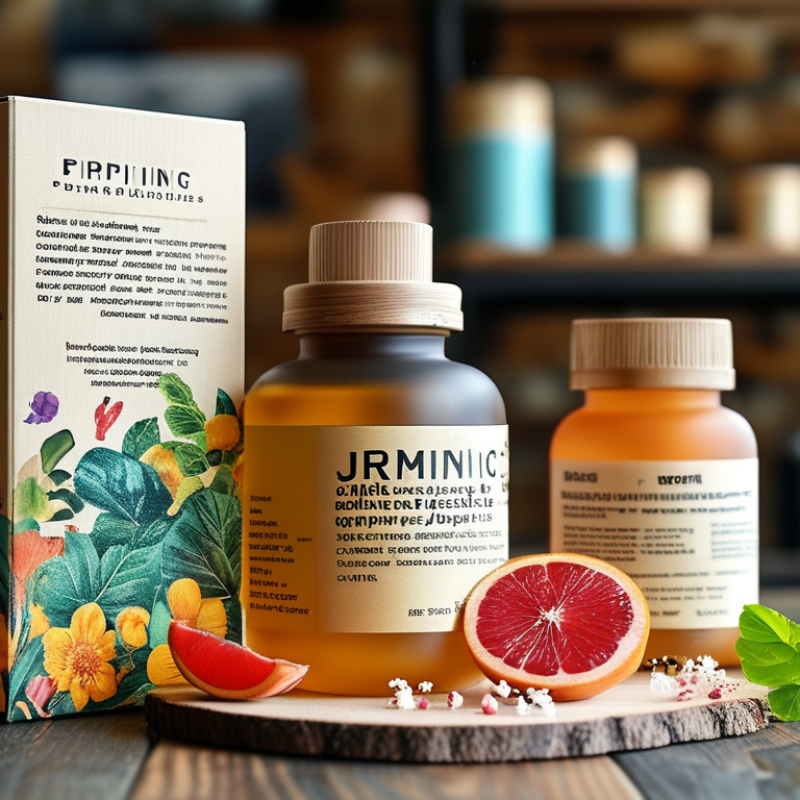
Printed packaging plays a crucial role in consumer purchasing decisions. Research indicates that about 72% of consumers say packaging design influences their choice. Eye-catching designs can captivate potential buyers, making them more likely to select one product over another. Color, shape, and texture all contribute to this effect. In a market with countless options, attention to packaging details is vital.
Studies show that 67% of consumers derive a sense of trust from quality packaging. This trust can influence brand loyalty. Consumers often associate well-designed packaging with superior product quality. However, not all designs resonate equally. Poorly perceived aesthetics can lead to negative judgments. Brands must remain vigilant and regularly reassess their packaging strategies.
Moreover, ongoing trends highlight the importance of sustainability in packaging choices. A significant 55% of consumers prefer products with eco-friendly packaging. This demand showcases a shift in consumer values, altering their buying behavior. Brands that ignore these factors risk losing market share. Reflecting on these aspects can lead to improved strategies and better alignment with consumer expectations.
: Packaging design influences emotions and choices. Visual appeal can attract attention and communicate brand identity.
Many consumers prefer eco-friendly materials. They look for minimal plastic and recyclable options in products.
Complicated designs may confuse consumers. Sometimes, simpler designs are better but might lack uniqueness.
Sustainability affects consumer decisions. Brands that prioritize eco-friendly packaging are viewed as more responsible.
Interactive features like QR codes can create meaningful engagement. Tactile elements also improve the sensory experience.
No, while many value sustainability, price can be a deciding factor. Some may choose cheaper non-sustainable options.
Earthy tones and natural textures attract consumers. They often see sustainable brands as responsible and trustworthy.
Continuous research on consumer preferences is crucial. Brands need to stay relevant and align packaging with brand stories.
Some brands stick to traditional packaging. This creates questions about authenticity and consumer trust.
Brands must find ways to offer sustainable options at competitive prices. This balance can reduce consumer indecision.
Printed packaging plays a crucial role in influencing consumer buying decisions by enhancing product visibility and appeal. The importance of printed packaging lies not only in its aesthetic qualities but also in its ability to communicate brand values and messages effectively. For example, color psychology significantly impacts consumer perception and emotional response, guiding choices through innate associations with colors. Moreover, well-designed packaging can elevate brand perception, making products more desirable.
Sustainability has emerged as a critical factor in consumer preferences, with many shoppers favoring brands that prioritize eco-friendly materials. Additionally, the information provided on labels—such as ingredients, nutritional facts, and usage instructions—can greatly influence purchase behavior. Understanding how printed packaging influences consumer buying decisions involves recognizing these combined factors that shape the market landscape, ultimately driving consumer choices towards specific products and brands.

 Amnet Packaging