How to Create Customer Attractive Packaging That Sells?

Time:2026-07-02 Author:Isabella
0%

Creating packaging that attracts customers is crucial in today's competitive market. Good design catches the eye and communicates a brand's message. Brands often struggle to balance aesthetics with functionality. This challenge creates a need for strategic planning.

To effectively capture attention, brands should consider color psychology, shapes, and textures. For example, vibrant colors can evoke emotions and draw customers in. Unique shapes can enhance shelf presence. Additionally, sustainable materials can appeal to eco-conscious consumers. However, not all designs resonate. Mistakes happen, such as overcomplicating packaging or neglecting to convey essential information.

Ultimately, understanding target customers is vital. Conducting market research can help identify preferences. Feedback and testing can refine packaging choices. Reflecting on the design process can uncover valuable insights. In the end, knowing how to create packaging that attracts customers can lead to better sales and brand loyalty.
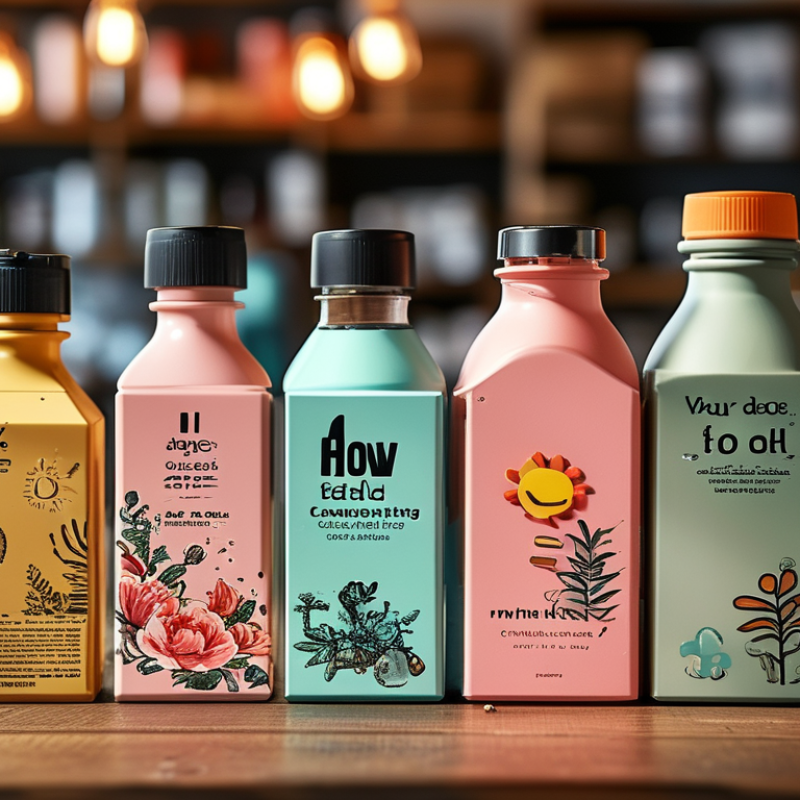
How to Create Customer Attractive Packaging That Sells?

Understanding the Importance of Attractive Packaging in Marketing

Attractive packaging plays a crucial role in marketing. It is often the first interaction customers have with a product. Well-designed packaging can evoke emotions, stir curiosity, and encourage purchase decisions. Consumers are more likely to buy products that visually stand out. The right design captures attention quickly and communicates brand values effectively.

Tips for creating compelling packaging include focusing on colors that resonate with your target audience. Bright colors may attract younger consumers, while muted tones might appeal to a more mature audience. Use materials that reflect quality and sustainability, which consumers increasingly value.

Additionally, storytelling in packaging should not be overlooked. A design that tells a story connects on a deeper level. Whether through images or text, conveying a narrative can create a memorable impression. Remember, simplicity is key. Too much information can overwhelm customers, leading to confusion rather than clarity. Packaging should grab attention, but it should also be easy to understand.

Identifying Your Target Audience for Packaging Design

Understanding your target audience is essential in packaging design. It shapes how your product is perceived and influences purchasing decisions. Start by researching demographics such as age, gender, and lifestyle. This data helps create packaging that resonates. Consider their preferences and values. For example, eco-conscious consumers may prefer sustainable materials.

Tips: Use surveys to gather insights. Personalize your design to reflect your audience's emotions. An emotional connection can drive sales.

Next, analyze competitors. Look at how they appeal to similar audiences. Identify gaps or opportunities in their packaging. Your design must stand out, yet meet expectations. Experiment with colors, fonts, and shapes that align with your audience’s tastes.

Tips: Test prototypes with focus groups. Gather feedback on what works and what doesn’t. Be open to constructive criticism. Adjusting your design based on real input can lead to improvements and better results.

Creating effective packaging is a journey. It requires ongoing reflection. Stay flexible and ready to adapt as trends or consumer preferences evolve.

Key Elements of Effective Package Design That Captivates Customers

Creating packaging that captivates customers involves several key design elements. First, color plays an important role. Bright, bold colors can grab attention quickly. They evoke emotions and influence buying decisions. Ensure that your color scheme aligns with your brand identity. However, contrasting colors can sometimes clash, resulting in confusion.


Typography is equally crucial. Clear, easy-to-read fonts help convey your message effectively. Mixing too many fonts can create a chaotic feel, detracting from the overall design. Consider using different weights within the same font family. This creates visual interest without overwhelming consumers.


Balanced layout and whitespace also matter. A cluttered package can be frustrating and off-putting.

Imagery should resonate with your target audience. Use high-quality images that tell a story. However, relying solely on visuals can be misleading if the product doesn’t deliver. Transparency about ingredients or product features can build trust. When designing, it's essential to seek feedback. What works in theory may not translate well in practice. Imperfections in design can reveal insights for improvement. Constant iteration is key to finding the perfect balance.

Incorporating Branding Elements into Packaging for Maximum Impact

Packaging is more than just a protective layer; it’s a canvas for your brand. By incorporating branding elements, you create a memorable first impression. Color choices are critical. Bright colors can attract attention, while muted tones may convey elegance. Design should reflect the brand's identity. A well-thought-out logo placement aids brand recognition, even at a distance.

Imagery plays an important role. Pictures can evoke emotions and tell a story. Think about your target audience. What do they value? Tailoring your imagery to resonate with them increases interest. Typography is also vital. Clear, legible fonts create trust and professionalism. However, striking a balance between creativity and readability is often challenging.

Materials matter too. Eco-friendly packaging can appeal to conscious consumers. Showcasing sustainability can differentiate your brand. Yet, consider costs. Sometimes, innovative designs may lead to higher production expenses. Regularly evaluate whether the design effectively communicates your brand message. Engaging potential customers means constantly refining your approach. Remember, packaging shouldn't just look good; it should also reflect your values and mission.

Sustainable Packaging Solutions That Appeal to Eco-Conscious Consumers

Eco-conscious consumers are increasingly looking for sustainable packaging solutions that resonate with their values. These consumers prioritize products with minimal environmental impact. Packaging plays a crucial role in their purchasing decisions. To attract this demographic, brands must think carefully about their materials. Recyclable, biodegradable, and compostable options are excellent choices. They demonstrate commitment to sustainability.

Using eco-friendly designs can also elevate a brand's image. Visual aesthetics matter. Simple, attractive packaging can stand out on shelves. Elegant designs using natural colors often appeal to eco-conscious shoppers. Emotional connection is essential. Brands can tell a story about their commitment to the planet. This goes beyond just the product.

However, not all sustainable packaging is effective. Sometimes, materials can limit product protection. Brands must evaluate the functionality of their chosen materials. Testing is necessary. Finding the right balance between sustainability and practicality is an ongoing challenge. In the end, appealing packaging requires both environmental mindfulness and strategic design.

FAQS

: Why is attractive packaging important in marketing?

: Attractive packaging is often the first impression a customer has. It can evoke emotions and stir curiosity.

How can I make my packaging stand out?

Use colors that resonate with your audience. Bright colors attract younger consumers, while muted tones may appeal to others.

What role does storytelling play in packaging design?

Storytelling connects with consumers on a deeper level. A design that tells a story leaves a memorable impression.

How can I identify my target audience for packaging?

Research demographics like age and lifestyle. This helps in creating packaging that resonates with their preferences and values.

What should I consider when incorporating branding elements?

Color choices and logo placement are critical. Imagery should reflect your audience's values to create a strong connection.

How can I test my packaging design?

Use focus groups to gather feedback. Be open to constructive criticism to refine your design effectively.

What materials should I use for packaging?

Eco-friendly materials can attract conscious consumers. However, always consider production costs and sustainability.

How do I keep my packaging design updated?

Regularly evaluate your design's effectiveness. Stay flexible and adapt to changing trends and consumer preferences.

What common mistakes should I avoid in packaging design?

Overloading packaging with information can cause confusion. Aim for simplicity and clarity in your messaging.

How important is typography in packaging?

Typography must be clear and legible. It creates trust, but balance creativity and readability to enhance overall appeal.

Conclusion

Creating packaging that attracts customers is essential for effective marketing. The first step is to understand the significance of attractive packaging in influencing consumer behavior. Knowing your target audience allows for tailored designs that resonate with their preferences. Key elements such as color, shape, and functionality can significantly enhance the appeal of the packaging, while incorporating branding elements ensures consistency and recognition.

Furthermore, with a growing emphasis on sustainability, utilizing eco-friendly packaging solutions not only meets consumer demand but also underscores a brand's commitment to the environment. By integrating these strategies, businesses can not only enhance their packaging but also create a lasting impression, ultimately driving sales and customer loyalty.

Isabella

Isabella

Isabella is a dedicated marketing professional with a sharp focus on driving brand growth and engagement through strategic content creation. With an extensive background in digital marketing, she combines her passion for storytelling with her keen understanding of industry trends to deliver......