How to Choose the Right Printed Packaging Solution?

Time:2026-11-19 Author:Madeline
0%

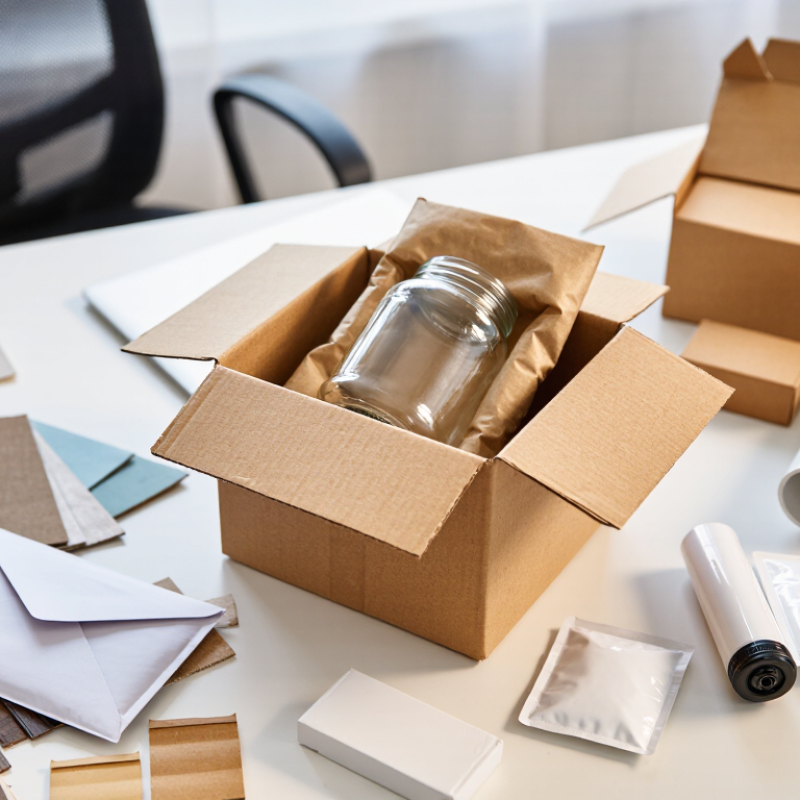
Choosing packaging is not just a matter of adding a logo to a box. The right choice protects the product, fits the way it will be shipped, and gives customers a clear first impression. To understand how to choose the right printed packaging solution, start with the product itself: its weight, shape, fragility, and exposure to moisture or handling. A glass jar, for example, may need a sturdy insert as well as crisp printing. A lightweight mailer has different demands.

Then consider the people who will open it. Readable text, useful product details, and colors that stay consistent across print runs can matter more than a complex design. Ask suppliers which materials and printing methods suit your order size, artwork, and finish. Request a physical sample. Screens can make colors look brighter than they appear on paper.

Cost matters. So does fit. A package that is oversized may add shipping expense, while one that is too tight can crease or damage its contents. Compare quotes alongside material specifications, production timelines, and quality checks—not price alone. If sustainability is part of your brief, ask what the packaging is made from and whether disposal claims are supported by clear information. Do not rely on a vague label.

There is no perfect option for every brand. A sample may reveal problems you did not expect, and that is useful. Revise the design, test the package in real handling conditions, and confirm final details before approving a full run. Little things matter.
How to Choose the Right Printed Packaging Solution?

Define Product and Packaging Requirements

Before comparing printed packaging options, define what the product needs to withstand. Record its dimensions, weight, shape, and any fragile edges. A glass jar may need a snug insert, while a soft pouch needs protection from punctures. Check exposure to moisture, grease, sunlight, and temperature changes during storage and delivery. Small details matter. A lid that loosens in transit can affect the whole package.

Then define how the package will be used. Will customers open it quickly, carry it, reseal it, or display it on a crowded shelf? Specify the required print area, text size, colors, and finishes. Fine lettering can blur on textured stock, and glossy coatings may create glare under store lighting. Keep essential information readable at arm’s length. Also note how packaging will be packed, stacked, and handled. I have seen teams choose a material from a sample sheet, then rethink it after testing a filled package. That is not wasted effort. Make a prototype and test it with the actual product, including a short shipping trial. One round may not catch everything.

Compare Packaging Formats and Materials

Choosing a printed packaging format starts with the product’s protection needs, not the artwork. Folding cartons suit dry goods and provide broad, flat print areas. Corrugated boxes add cushioning for shipping but need stronger graphics planning across folds and panels. Flexible pouches use less storage space and can combine several material layers, though those layers may complicate recycling. The Flexible Packaging Association’s 2024 State of the U.S. Flexible Packaging Industry report estimated U.S. flexible packaging sales at $42.5 billion in 2023, about 21% of the packaging market. That scale shows the format’s reach, not that it fits every product. Not always.

Material choice changes how print performs. Uncoated paperboard can give a tactile, matte finish, while coated stock often holds fine text and saturated color more consistently. Film can support moisture barriers and vivid graphics, but scuffs, glare, and seal areas need checking on the actual pack. Eurostat reported that paper and cardboard made up 40.9% of EU packaging waste by weight in 2022, compared with 19% for plastic. These figures describe waste composition, not recyclability or environmental impact. Keep that distinction clear.

Compare formats using the filled package: test legibility under store lighting, rub resistance, folds, seals, and shipping wear. A tiny ingredient panel may look readable on screen and fail on a curved pouch. Ask printers for substrate-specific proofs, then check the result after filling. A pilot run can reveal surprises. It may also expose a compromise: the material that prints best may not protect the product best.

Select Printing Methods and Design Features

Choosing a print method starts with the packaging material, order size, and artwork. Digital printing suits short runs and frequent design changes, with little setup time. Flexography can be efficient for larger quantities on flexible films or corrugated board. Offset printing often delivers fine detail on paperboard, but setup can add cost. Compare samples on the actual substrate; colors may look different on a screen.

Design features should make the pack easy to recognize and read. Keep key text clear, with strong contrast and enough space around small type. A matte finish can soften glare, while gloss may make colors appear brighter. Check how folds, seams, and curved surfaces affect the printed artwork. Small details matter. A barcode placed across a crease, for example, may be harder to scan.

Request a physical proof before approving production. Review color, alignment, legibility, and how the package feels in hand. Ask about ink durability if packs face moisture, rubbing, or repeated handling. There is no perfect setup; sometimes a simpler design is more dependable than one crowded with effects. I would still test that assumption against the product and shelf conditions. A sample can reveal issues a digital preview misses.

Evaluate Cost, Sustainability, and Supplier Capabilities

How to Choose the Right Printed Packaging Solution?

A printed pack must protect the product, communicate clearly, and fit the budget. Compare total cost, not just the price per unit. Include setup, minimum order quantities, storage, freight, and likely waste from misprints. Ask suppliers for a sample printed on the actual material; colors can shift between a screen and a press. Small details matter.

Sustainability claims need evidence. The OECD’s Global Plastics Outlook reports that only 9% of plastic waste was recycled globally in 2019. This figure covers all plastic waste, not packaging alone, but it shows why recyclability deserves scrutiny. Ask whether local collection systems accept the material, and request documentation for recycled content or certified fibers. A lighter pack may reduce material use, yet still be difficult to recycle. Trade-offs are real.

Tips:

Request itemized quotes from at least three suppliers. Check print tolerances, lead times, quality-control steps, and what happens when a batch fails inspection. Ask for recent test results and references for similar packaging jobs. A capable supplier should explain limitations plainly, not promise perfection. A neat spreadsheet still misses the feel of a folded carton or the way ink rubs off in transit; test a real sample before committing.

Test Samples for Quality and Performance

Before approving printed packaging, test a production-like sample, not a polished mock-up. Match the intended board, ink, coating, and finish; each can change how a pack folds or prints.

Smithers’ 2023 market analysis valued global packaging at about $1.05 trillion, a scale that makes repeatable quality checks commercially important. A large market does not make every sample reliable. It makes careful verification more valuable.

Inspect fine text under bright, even light, then rub the printed surface with a clean cloth to reveal scuffing or color transfer. Check folds, seams, and closures by hand. A box should open cleanly, without cracking at the crease.

Test filled packs under realistic handling: ASTM D5276 describes free-fall drop testing, while ASTM D642 covers compression testing. These methods help assess impact and stacking performance, but they cannot replace testing in your actual shipping conditions.

Record results, including failures. That part is easy to skip. Repeat the check after humidity exposure or a short storage period; paperboard can behave differently once damp or compressed.

One sample may look perfect and still perform poorly in transit. That is worth questioning.

A small pilot run can expose variation between pieces before full production, especially in color, registration, and fit. Keep a signed reference sample for comparison, and note any changes made between test rounds.

FAQS

How should I choose a printing method?

Match the method to your material, order size, and artwork. Digital printing suits short runs and frequent design changes. Larger orders may benefit from flexography. Compare printed samples, not screen colors.

What design details improve package readability?

Use strong contrast and leave space around small text. Keep important details away from folds and seams. Small details matter.

Can finishes change how colors look?

Yes. Matte finishes can reduce glare, while gloss may make colors appear brighter. Check both on the actual packaging material.

What should I inspect on a physical proof?

Review color, alignment, readable text, and how the pack feels in your hand. Check whether folds or curved surfaces distort the artwork. A screen preview can miss things.

How can I test printed packaging for scuffing?

Rub the printed surface with a clean cloth. Look for scratches or color transfer. It is a simple check, not a complete durability test.

How do I check whether a box holds up during shipping?

Test filled packs under realistic handling and stacking conditions. Drop and compression tests can reveal weaknesses, but your own shipping conditions still matter.

Why should I test samples after humidity exposure?

Paperboard may fold or compress differently after getting damp. Check the seams and closures again after storage. One sample can be misleading.

What should I do before full production?

Run a small pilot and compare several pieces for color, alignment, and fit. Keep a signed reference sample. I might still miss a variation, so inspect carefully.

Conclusion

Choosing the right printed packaging solution begins with a clear understanding of the product, its dimensions, weight, handling needs, shelf life, and intended audience. These requirements help narrow down suitable packaging formats and materials, such as flexible packs, cartons, or rigid containers. Consider how each option protects the product, supports storage and shipping, and presents information clearly. Then compare printing methods and design features, including color accuracy, finishes, durability, and the quantity you need.

To decide how to choose the right printed packaging solution, weigh the full cost against sustainability goals and the supplier’s ability to meet your specifications and schedule. Ask about material options, production capacity, quality controls, and communication throughout the process. Before approving a full order, review physical samples and test them for print clarity, fit, strength, and performance under expected handling conditions. This step can reveal practical issues early and help ensure the final packaging is functional, appealing, and suited to your needs.

Madeline

Madeline

Madeline is a dedicated marketing professional with a wealth of expertise in our company's core offerings. With a keen understanding of the industry, she brings a unique perspective to her role, consistently delivering high-quality content that highlights the superior aspects of our products. As......