In 2026, branded packaging can make a product recognizable before a customer opens the box. A clear logo, consistent colors, and a well-chosen material help connect the parcel to the brand. For online orders, this moment matters: the package may be the first physical contact a customer has with a business. Small details matter.
So, what are the advantages of branded packaging? Thoughtful design can support brand recall, create a more memorable unboxing experience, and make product information easier to find. A sturdy mailer can also protect items in transit, while simple opening instructions may reduce frustration. These are practical benefits, not guarantees of repeat purchases. Packaging works best when it reflects the product and delivers what it promises.
The strongest approach balances appearance with cost, protection, and material use. A glossy box may photograph well, yet feel excessive for a lightweight item. Recyclability can be worth highlighting, but claims should be specific and verifiable. Customers notice mismatches. Businesses should test packaging with real orders, checking for damaged corners, hard-to-remove tape, and colors that look different in natural light. That takes testing. The sections ahead explore how branded packaging can shape recognition, customer experience, perceived value, and operational choices in 2026. They also consider where design can fall short, because a polished package cannot fix a product or service that disappoints.
What Branded Packaging Means in 2026
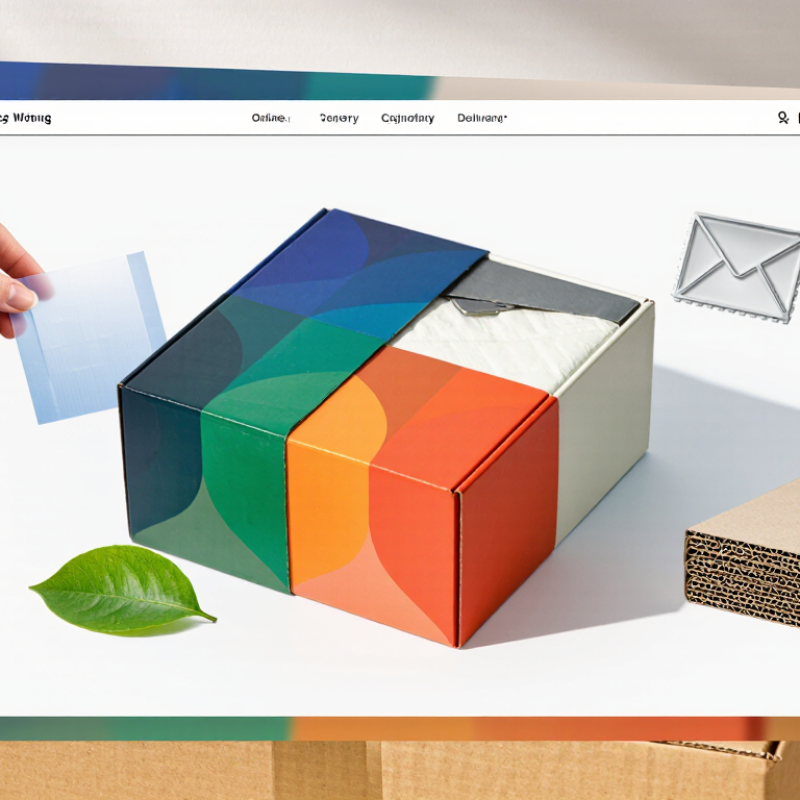
In 2026, branded packaging is more than a logo printed on a box. It is the physical layer of a brand’s identity: its colors, materials, opening experience, product information, and disposal cues. A small mailer arriving with a clear label and a neatly folded insert can feel considered before the product is even used. The meaning is practical, too. Packaging must protect goods, communicate useful details, and work across shelves, delivery routes, and unboxing videos. It is not just decoration.
The market makes this a serious design decision. Smithers’ report, The Future of Packaging: Long-Term Strategic Forecasts to 2028, projected global packaging demand would reach about $1.3 trillion by 2028. That forecast does not prove branded packaging alone drives growth, but it shows how much competition surrounds the pack. Sustainability also shapes expectations. PwC’s 2024 Voice of the Consumer Survey found respondents were willing to pay an average 9.7% more for sustainably produced or sourced goods. That figure covers goods generally, not packaging specifically, so it should not be treated as a packaging premium.
For businesses, branded packaging in 2026 means making the visual promise match the material reality. A recyclable carton with oversized plastic inserts sends mixed signals. So does a premium finish that arrives scuffed after shipping. Clear instructions, right-sized formats, and legible sourcing details build credibility; vague green claims can weaken it. And the trade-off is real. Sometimes the less dramatic package is the better one.
How Branded Packaging Shapes First Impressions
A package often speaks before the product does. In a few seconds, shoppers notice its color, shape, print quality, and whether it feels easy to open. These details can signal care and consistency, or make an item seem generic. An Ipsos survey for the Paper and Packaging Board found that 72% of consumers said packaging design could influence their purchasing decisions. That does not mean attractive packaging guarantees a sale. It does show that the first impression can affect what shoppers consider.
Branded packaging makes that moment more recognizable. A clear visual style helps customers connect a parcel on the doorstep with the experience they expect inside. Practical details matter, too: a sturdy box, readable instructions, and a cleanly folded insert feel deliberate. Research from Dotcom Distribution’s 2015 packaging study found that 40% of surveyed consumers said they were more likely to make repeat purchases from online retailers whose packaging was gift-like. The study is not new, so its figure should not be treated as a current universal benchmark. Still, it highlights how presentation may influence perceived value. There is a trade-off: extra layers can look impressive but feel wasteful. Sometimes the first impression is simply a box that opens without a struggle.
How Custom Packaging Builds Brand Recognition and Trust
What Are the Benefits of Branded Packaging in 2026?
Branded packaging turns an ordinary delivery into a recognizable customer experience. Before customers open the product, they notice color, texture, shape, and printed details. Repeated visual cues help people remember a business across crowded online marketplaces. A familiar color, consistent logo placement, and clear typography create stronger mental connections.
Trust grows through useful details, not decoration alone. Clear product information, secure seals, readable care instructions, and accurate contact details reduce uncertainty. Packaging should also match the quality promised online. A sturdy box with a clean matte sleeve can feel dependable in the customer’s hands. From hands-on packaging reviews, I have found that simple opening instructions often prevent frustration. Still, custom design can fail. A beautiful box may use excessive material or make the product difficult to remove. If the printed message overpromises, trust weakens quickly. Small inconsistencies between shipments can also make a growing business appear careless.
Tips: Test packaging with real users before a full launch. Ask them to open it, read the information, and describe what they remember. Check whether colors remain consistent under warehouse lighting. Use packaging inserts only when they provide helpful guidance. Review every claim with a qualified quality or compliance professional. Track damaged deliveries, customer questions, and repeat purchase feedback. Then adjust the design. Not every attractive idea deserves permanence.
How Branded Packaging Supports Customer Experience and Loyalty
Branded packaging will matter more in 2026 because customer experience begins before product use. A carefully designed box creates a physical welcome. Its color, texture, and opening sequence can reduce uncertainty after delivery. Customers notice whether the package feels secure, considered, and easy to handle. Small details often shape trust.
Packaging specialists can connect these details with measurable behavior. Clear instructions may reduce support questions. A fitted insert can prevent damage during transport. A readable return guide can make an unpleasant process feel less stressful. Even the sound of opening a carton affects perceived quality. These experiences can encourage customers to purchase again and recommend the product.
Loyalty, however, does not come from decoration alone. Over-designed packaging may waste materials or frustrate customers during disposal. A printed thank-you message can also feel forced when the product experience disappoints. Responsible teams should test packaging with real users, review complaint data, and examine repeat-purchase patterns. Feedback may expose problems that designers miss. That learning process builds more credible customer relationships. Packaging should feel useful first, memorable second.
What Are the Benefits of Branded Packaging in 2026? — How Branded Packaging Supports Customer Experience and Loyalty
| Benefit Area |
Evidence or Metric |
What It Means for Customer Experience |
How to Measure It |
| Purchase influence |
In an Ipsos survey, 72% of U.S. consumers said packaging design influences their purchase decisions. |
Distinctive, clear packaging can help a product attract attention and communicate its value before purchase. |
Compare purchase conversion and product-page or shelf performance across packaging versions. |
| Perceived sustainability |
The same survey found that 67% of U.S. consumers said packaging made from recycled materials influences their purchasing decisions. |
Accurate, easy-to-understand material information can help customers make informed choices and build trust. |
Track customer understanding, packaging-related questions, and preference for verified material options. |
| Recognition and consistency |
Brand recognition can be assessed by testing whether customers identify packaging correctly without seeing the product name. |
Consistent colors, typography, and visual cues make products easier to recognize across orders and channels. |
Measure unaided packaging recognition in customer surveys or controlled usability tests. |
| Unboxing and usability |
Relevant measures include opening time, damage rate, instruction clarity, and customer-reported ease of use. |
Protective, intuitive packaging reduces frustration and makes delivery feel more considered. |
Review fulfillment records, support contacts, returns, and post-delivery feedback. |
| Repeat purchase and loyalty |
Repeat purchase rate, retention rate, and customer satisfaction are measurable indicators; packaging alone does not establish causation. |
A positive, reliable packaging experience can support a broader relationship built on product quality and service. |
Compare cohort retention and satisfaction over time, accounting for other changes in the customer experience. |
|
Source: Ipsos, Packaging and the Environment survey for the Paper and Packaging Board (2018). Survey findings refer to U.S. consumers; other entries are practical measurement indicators, not reported survey results.
|
How Branded Packaging Can Advance Sustainability and Business Value
In 2026, branded packaging can do more than identify a product. It can help businesses make sustainability visible at the moment customers open a box. A simple printed recycling instruction, a clear material label, or a reusable carton gives people a practical next step. Specific details matter. For example, a shipping box sized closely to a ceramic mug may need less filler and take up less space in transit. Right-sizing can reduce material use, though results depend on the product and shipping process.
Packaging also carries business value when it protects goods and communicates honestly. A sturdy paper sleeve can prevent scuffs on a refillable glass container, while a restrained design may use less ink and remain easy to read. These choices can support customer trust and reduce damage-related costs, but they do not make a package sustainable by themselves. Materials, coatings, local recycling access, and disposal instructions all affect what happens after use. The details are easy to miss.
Businesses should test packaging under real handling conditions and check whether local facilities accept its materials. A package that looks recyclable may still be rejected if it combines layers that are difficult to separate. That gap deserves attention. Branded packaging is most useful when its visual identity matches its actual performance—and when teams are willing to revise it after customers and operations reveal what is not working.
Conclusion
In 2026, branded packaging is more than a container: it is a coordinated way to express a business’s identity through design, materials, messaging, and the unboxing experience. A thoughtful package can make a strong first impression, help products stand out, and communicate care and consistency before customers even use what is inside. When visual elements are clear and distinctive, packaging can also make a business easier to recognize and help build trust over time.
So, what are the advantages of branded packaging? It can create a more memorable customer experience, encourage repeat purchases, and strengthen loyalty by making each delivery feel considered and personal. Choosing practical, responsibly sourced, or recyclable materials can further demonstrate a commitment to sustainability while reducing unnecessary waste. By balancing visual appeal, reliable protection, customer needs, and material choices, businesses can use packaging to support both their relationships with customers and their long-term value.

 Amnet Packaging