2026 Best Guide on How to Choose Printed Packaging Solutions?

Time:2026-06-17 Author:Sienna
0%

Choosing the right printed packaging solution is crucial for any business. Effective packaging can enhance brand recognition and ensure product safety. However, selecting the perfect option can feel overwhelming. With countless materials, designs, and processes available, making an informed choice is essential.

Consider the unique qualities of your product. What materials fit your brand's identity? How durable should the packaging be? Sustainability is also a growing concern. More customers prefer eco-friendly options. Reflect on how this shift impacts your decisions.

Understanding your target audience can guide your choices as well. What appeals to them? Bright colors or minimalistic designs could influence their perception. Moreover, staying updated with industry trends can provide insights. A mistake in packaging might lead to customer dissatisfaction. Therefore, research is vital. Take your time. Explore various solutions and continuously evaluate them for improvement.
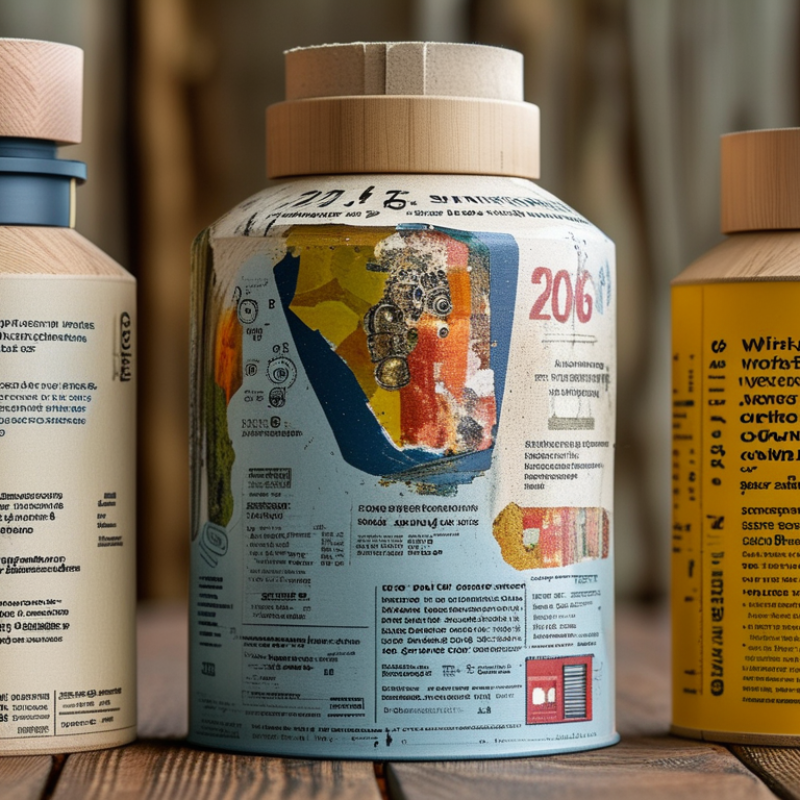
2026 Best Guide on How to Choose Printed Packaging Solutions?

Essential Factors to Consider When Choosing Printed Packaging Solutions

Choosing printed packaging solutions involves several essential factors that influence both functionality and brand perception. The material used plays a crucial role. It impacts durability, visual appeal, and environmental sustainability. For instance, cardboard is versatile and eco-friendly, while plastic offers moisture resistance. Understanding these differences can help you make informed choices.

Design is another vital factor. Your packaging must reflect your brand’s identity. Colors, fonts, and imagery should resonate with your target audience. A well-designed package can attract attention on crowded shelves. However, striking a balance between aesthetics and practicality is challenging. Sometimes, extravagant designs lead to high costs and production obstacles.

Furthermore, consider printing technology. Research various methods, like digital or offset printing, to find what suits your needs. Each technology has its pros and cons. For instance, digital printing allows for small runs but may raise costs. Reflection on these aspects can lead to better decision-making and enhance your packaging strategy while building your brand's credibility.

Types of Printed Packaging: Understanding Different Materials and Techniques

When selecting printed packaging, understanding the different materials and techniques is essential. Flexible packaging, for instance, has grown significantly, accounting for 25% of the global packaging market by 2026. This material is lightweight, versatile, and often more sustainable. Many brands are now opting for biodegradable films that help in reducing environmental impact.

Digital printing technology is revolutionizing packaging solutions. Reports indicate that the digital packaging market will expand at a CAGR of 13.5% through 2025. This technique allows for short runs and customization, making it cost-effective for smaller businesses. However, a lack of standardization can lead to inconsistencies in quality across different batches.

Paperboard remains a popular choice for its recyclability and strength. Approximately 70% of consumers prefer brands that use sustainable packaging, reflecting a significant trend in consumer behavior. Yet, some paperboard options can become costly with specific printing techniques, which require careful budgeting and planning. Evaluating these factors is crucial for successful product packaging design.

Evaluating Design Options for Effective Branding in Printed Packaging

When choosing printed packaging solutions, branding plays a crucial role. Effective packaging design can influence consumer behavior significantly. According to a 2022 survey by the Packaging Association, 72% of consumers believe that packaging design directly affects their purchasing decisions. This statistic highlights the need for a thoughtful approach to design.

Consider utilizing bold typography and color schemes. These elements can help your brand stand out on the shelf. However, it’s essential to maintain a balance between visibility and clarity. Overly complex designs can confuse consumers. Aim for simplicity that conveys your brand message effectively.

Tips for effective branding in printed packaging include:

  • Choose colors that align with your brand values.
  • Keep information concise and legible.
  • Utilize unique textures for a tactile experience.

Reflecting on your design choices is crucial. Are your branding elements consistent across all products? A disjointed approach can weaken your brand identity. Therefore, continually evaluate and adapt your packaging designs to stay relevant in a competitive market.

Sustainability in Printed Packaging: Importance and Considerations

Sustainability in printed packaging is crucial today. Consumers are aware of environmental issues. They prefer eco-friendly products that reflect their values. Businesses must consider sustainable choices to attract and retain customers.

Printed packaging materials influence the planet significantly. Traditional options often harm ecosystems. However, sustainable choices like recycled or biodegradable materials offer healthier alternatives. Brands should also evaluate the entire lifecycle of their packaging. Production processes matter just as much as the materials used.

Yet, many businesses struggle with implementation. The transition can seem daunting, and costs may deter some. There is also a learning curve involved in adopting new technologies and processes. Companies need to invest time and resources to assess their options. Reflecting on these challenges is essential for meaningful change. By prioritizing sustainability, businesses can create better products and a cleaner planet.

Cost Analysis: Budgeting for Quality Printed Packaging Solutions

When it comes to choosing printed packaging solutions, cost analysis is crucial. High-quality printed packaging can enhance your brand’s image. However, it's essential to manage your budget effectively. Sometimes, businesses overlook the hidden costs associated with printing. Understanding these costs can lead to better decision-making.

One common mistake is not factoring in the long-term benefits of investing in quality packaging. Cheaper options may save money upfront but can compromise your product's appeal. Poor design might lead to lower sales. Consider the medium you choose. Digital printing may offer flexibility but can be pricey for large quantities. Traditional methods might be more economical for bulk orders. Balancing quality with cost is paramount.

Seek advice from experts in the industry. They can provide insights into what materials and designs work best for your product. Evaluate samples before making a final decision. This may require time and resources, but it ensures that your investment yields positive results. Reflecting on these aspects can lead to better budgeting and impactful packaging solutions.

FAQS

: Why is branding important in printed packaging?

: Branding significantly influences consumer behavior, impacting purchasing decisions. Effective design can make products stand out.

How can colors affect packaging design?

Colors should align with brand values. They enhance visibility but should not overwhelm clarity.

What role does typography play in packaging?

Bold typography can attract consumers. However, legibility is crucial to avoid confusion about the brand message.

Why should packaging information be concise?

Concise and legible information helps consumers quickly understand the product. Too much text can cause frustration.

What are the challenges of adopting sustainable packaging?

Many businesses find the transition daunting. Costs and learning curves can delay the adoption of eco-friendly options.

How can companies assess their packaging choices?

Businesses need to reflect on their materials and production processes. This evaluation helps identify sustainable alternatives.

What kind of textures can enhance packaging?

Unique textures can create a tactile experience. This sensory element may encourage consumers to choose your product.

How does sustainability influence consumer choices?

Consumers prefer eco-friendly products reflecting their values. Sustainable packaging can enhance brand loyalty and attract new customers.

How important is consistency in branding?

Consistency across products strengthens brand identity. A disjointed approach may confuse consumers and weaken brand recognition.

What should companies do if they struggle with packaging design?

Companies should reflect on their design choices and seek feedback. Continuous evaluation can lead to better branding strategies.

Conclusion

When considering how to choose the right printed packaging solution, several essential factors come into play. Understanding the different types of printed packaging materials and techniques is crucial, as each option offers unique benefits that can align with your product's needs. Additionally, evaluating design options is vital for effective branding, ensuring that your packaging communicates your brand identity and appeals to your target audience.

Sustainability is another key consideration, as environmentally friendly packaging solutions are increasingly important in today's market. Finally, a thorough cost analysis helps balance quality and budget, ensuring you invest wisely in printed packaging that enhances your product while remaining economically viable. By thoughtfully addressing these aspects, you can make informed decisions that lead to effective and sustainable printed packaging solutions.

Sienna

Sienna

Sienna is a skilled marketing professional with a deep expertise in our company’s core products and services. With a passion for innovation and detail, she plays a pivotal role in crafting insightful blog posts that not only highlight the unique features of our offerings but also provide valuable......